

Tirta Empul Temple, sacred water and Balinese traditions
Tirta Empul, a temple founded on sacred water
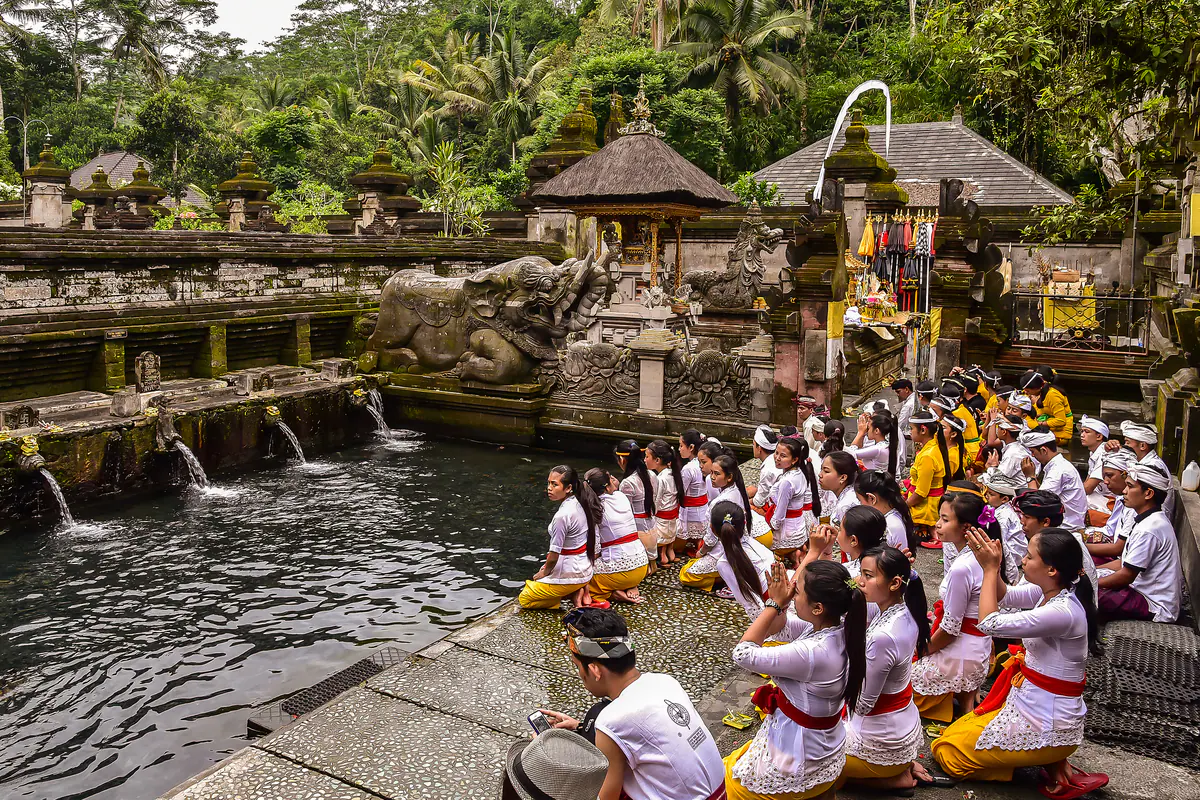
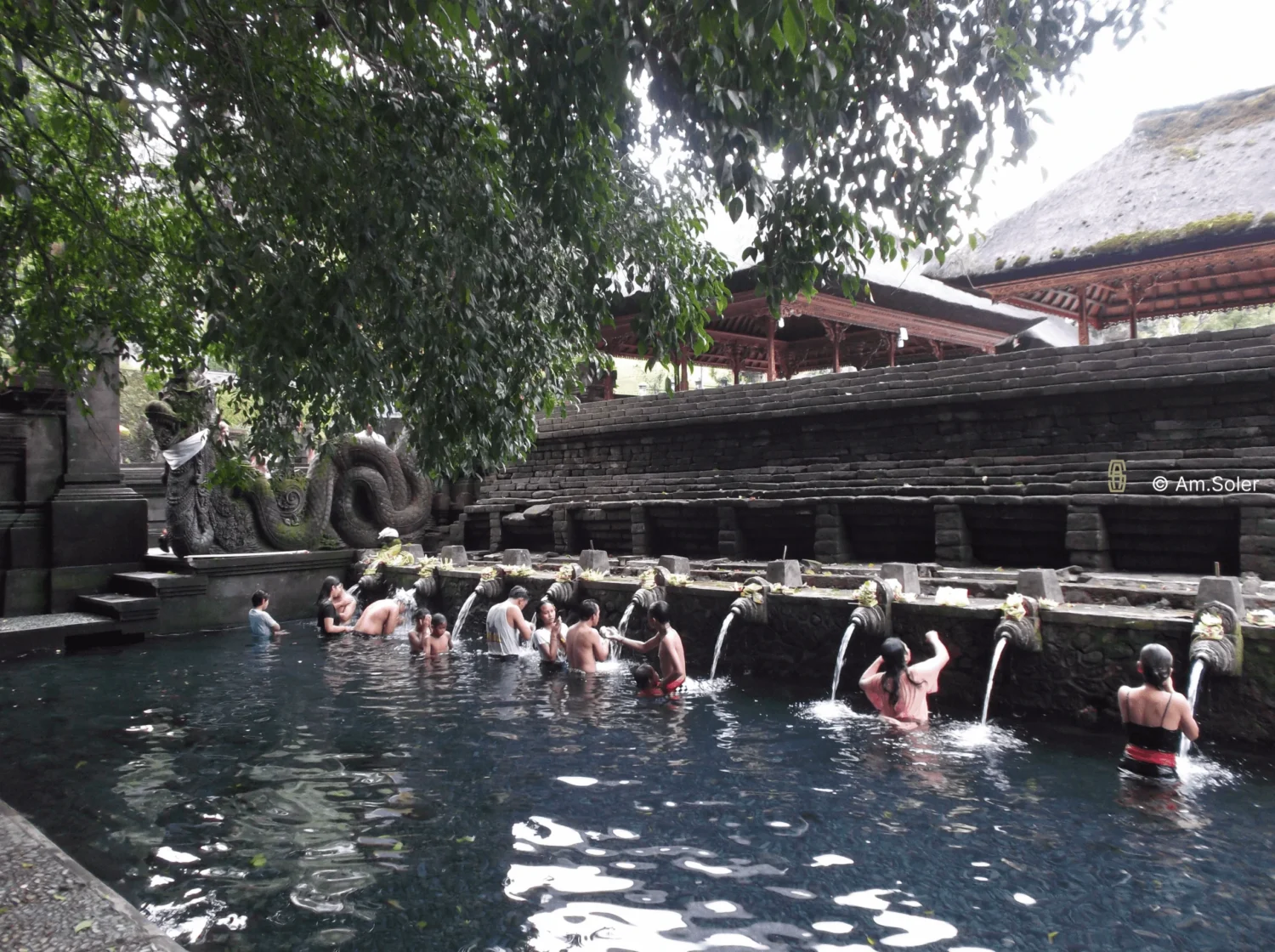
Tirta Empul Temple is among the major religious sites of Bali. Its name literally means “sacred water,” immediately highlighting the central role of the natural springs found on the site. In Balinese traditions, water plays an essential role in spiritual practices. At Tirta Empul, it becomes a structuring element of the place and of the rituals performed there. The temple is organized around pools fed by continuous underground springs. In this way, the sacred space is built directly around the aquatic element Perceived as a bearer of balance and purification. Consequently, this configuration gives Tirta Empul a particular place in the religious organization of the island.
Origins and foundations of Tirta Empul Temple
According to local traditions, Tirta Empul was founded in the 10th century, during the reign of King Warmadewa. The accounts associated with the creation of the temple blend history and mythology, particularly through figures drawn from Balinese Hinduism. Indeed, these narratives help anchor the temple in a strong symbolic dimension. They linking the human world to invisible forces. Furthermore, over the centuries, Tirta Empul has established itself as a central religious site. As a result, its antiquity reinforces its role in the spiritual and cultural continuity of Bali, where water temples fulfill an essential function.
Water temples and the Balinese spiritual organization
Tirta Empul is part of a wider network of water temples that play a key role in the religious and agricultural life of Bali. These temples are closely linked to the subak system, which regulates the irrigation of rice fields. In this way, water directly connects spiritual practices with the organization of the territory. This system combines religious beliefs, collective management, and respect for natural resources. Moreover, it illustrates a conception of the sacred deeply rooted in everyday Balinese life. As a result, Tirta Empul represents one of the most emblematic examples of this articulation between nature, spirituality, and society.
Water, purification, and the symbolism of the sacred
In Balinese culture, water symbolizes purification, regeneration, and harmony. At Tirta Empul, this symbolism takes concrete form through the pools and springs that structure the temple. Thus, the sacred is not limited to an abstract belief. Instead, it is expressed through places, gestures, and natural elements. Water then becomes a medium of spiritual transmission. Furthermore, this direct relationship between humans and the aquatic element reinforces the idea that the sacred, in Bali, is fully embedded in the landscape.
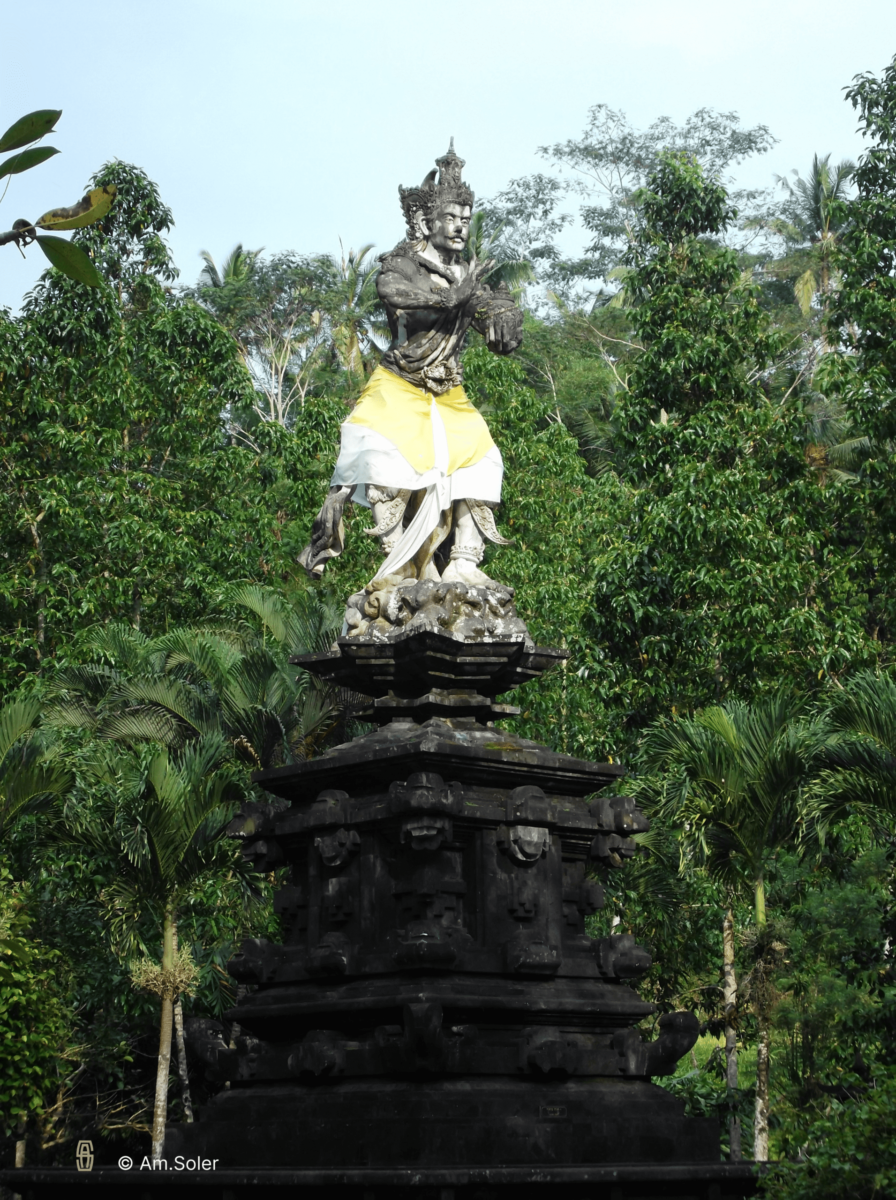
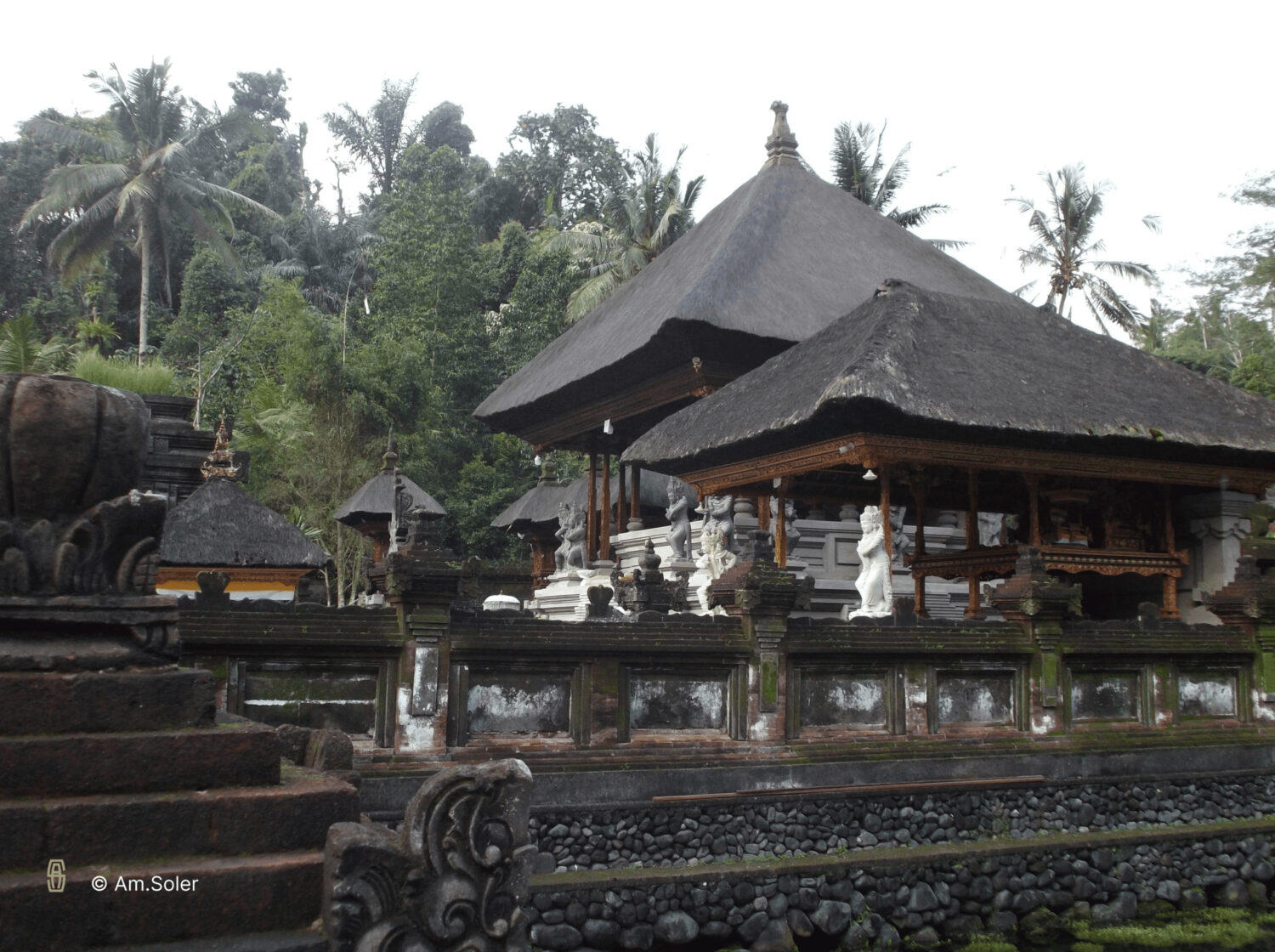
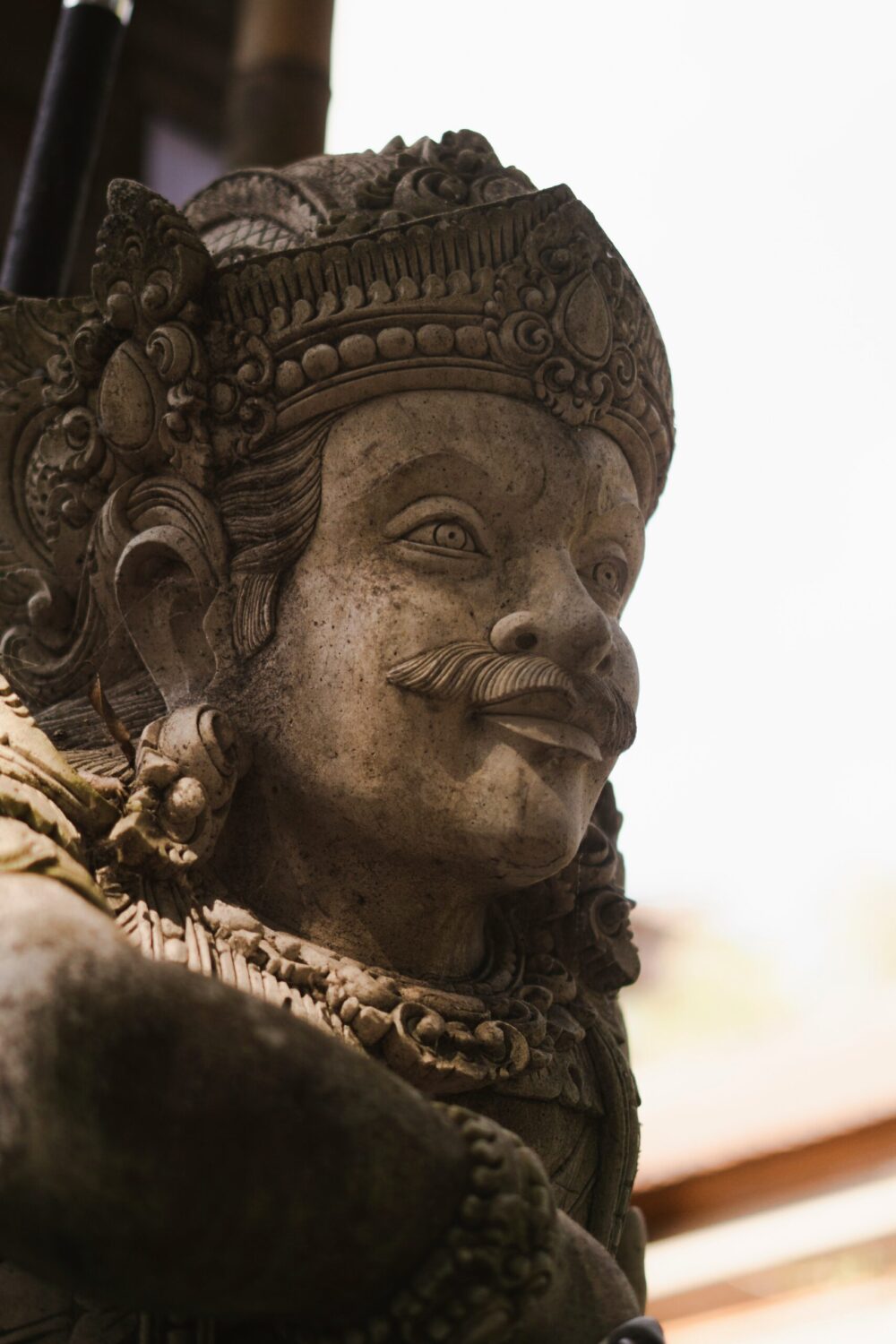
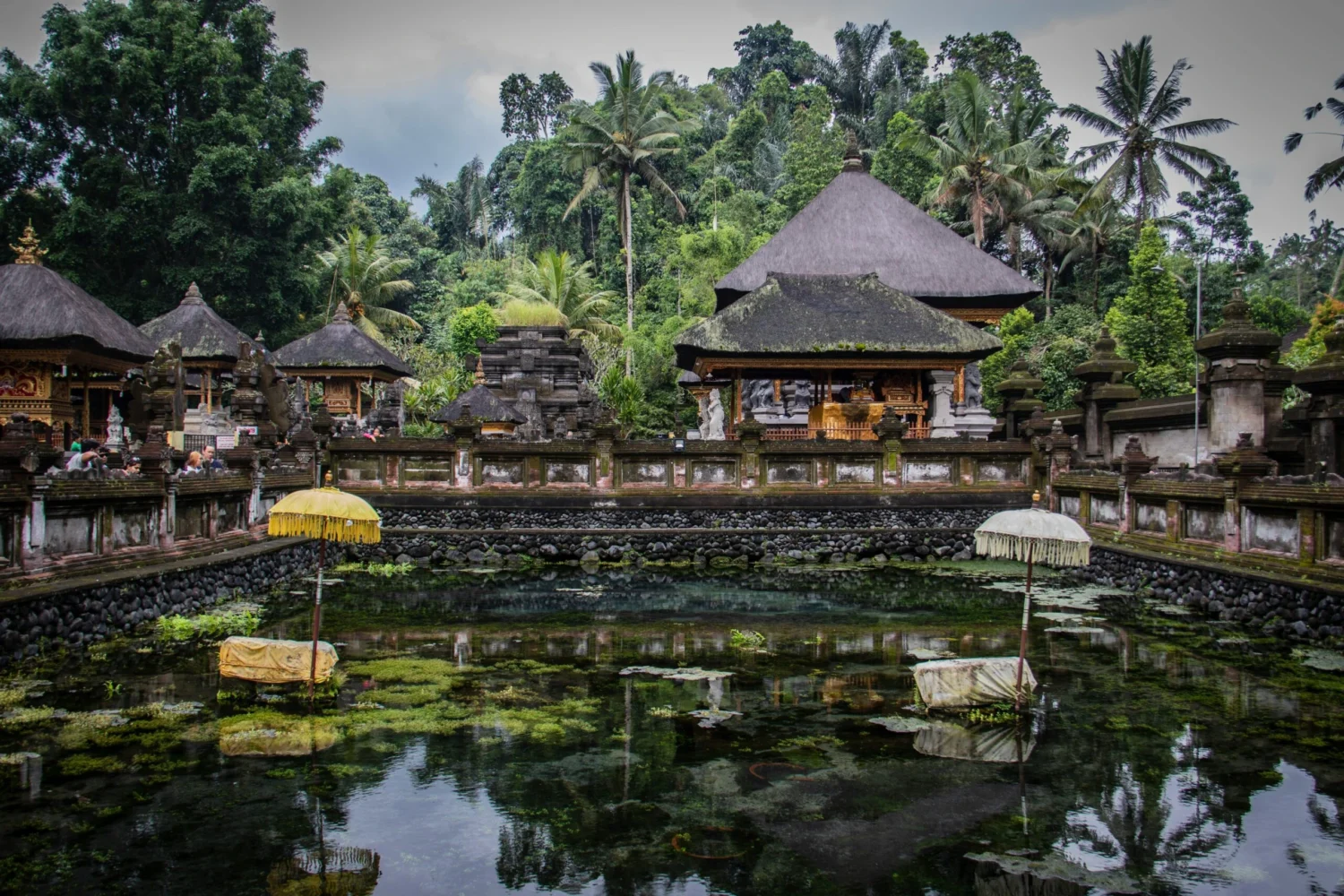
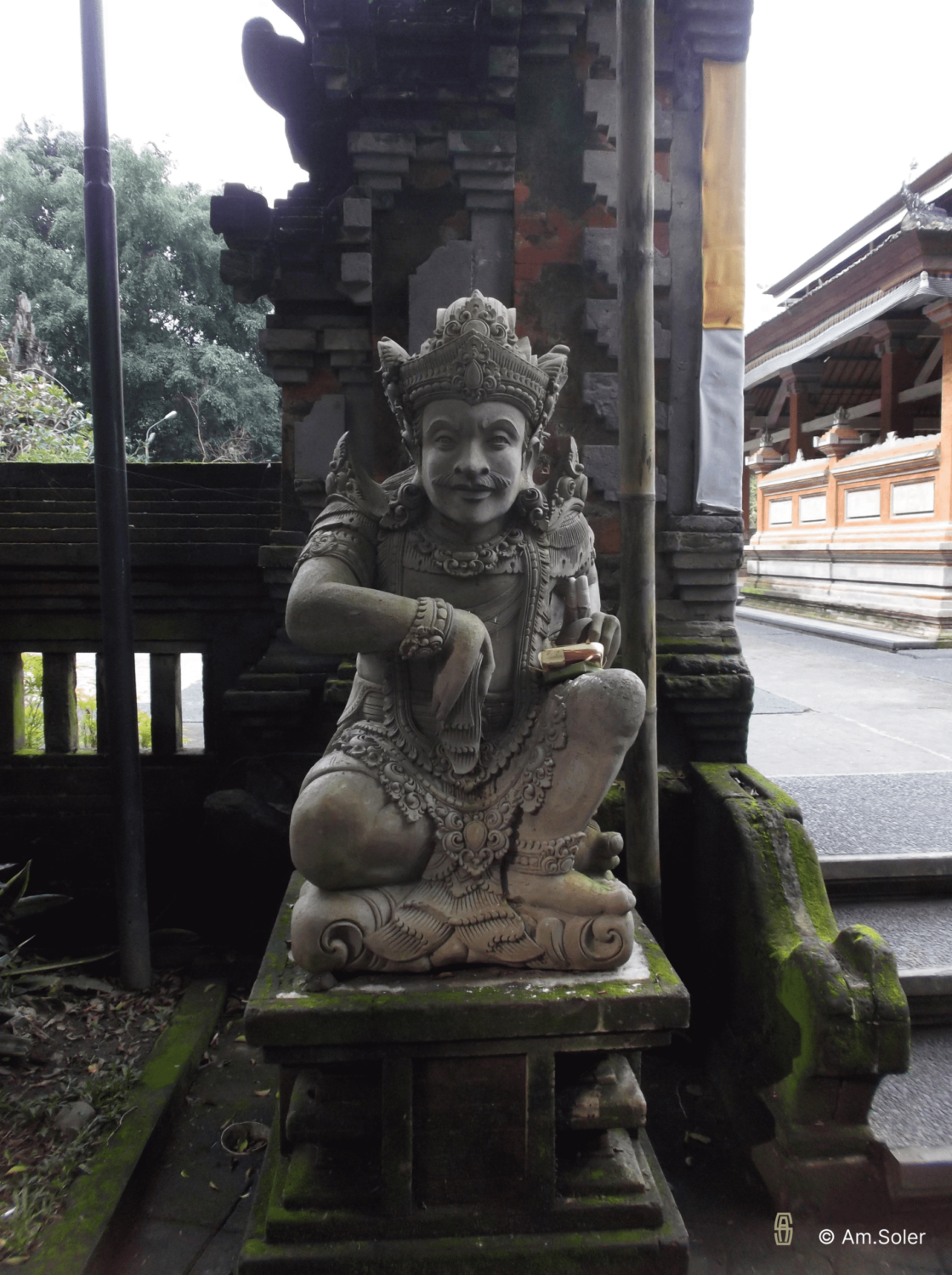
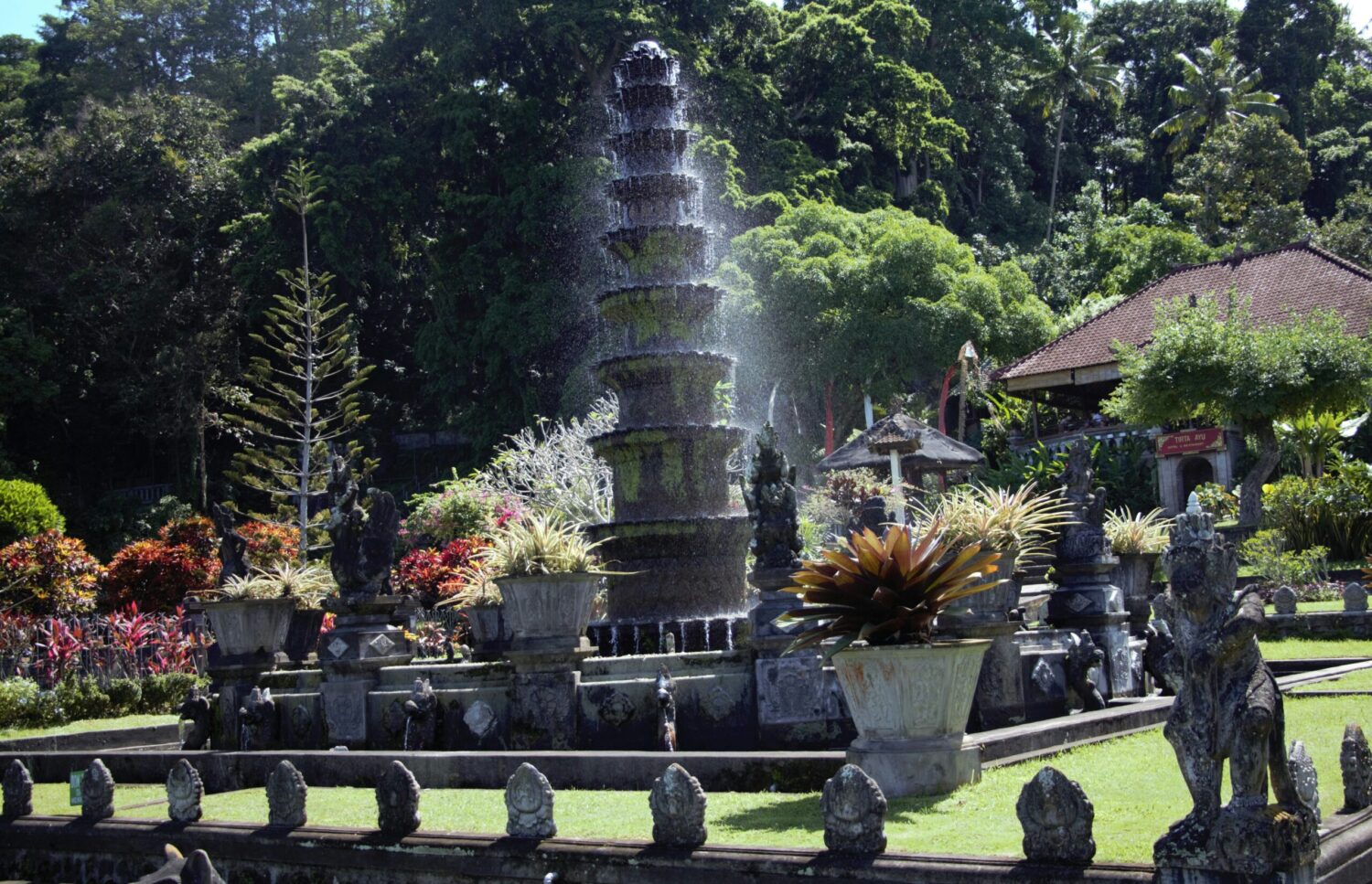
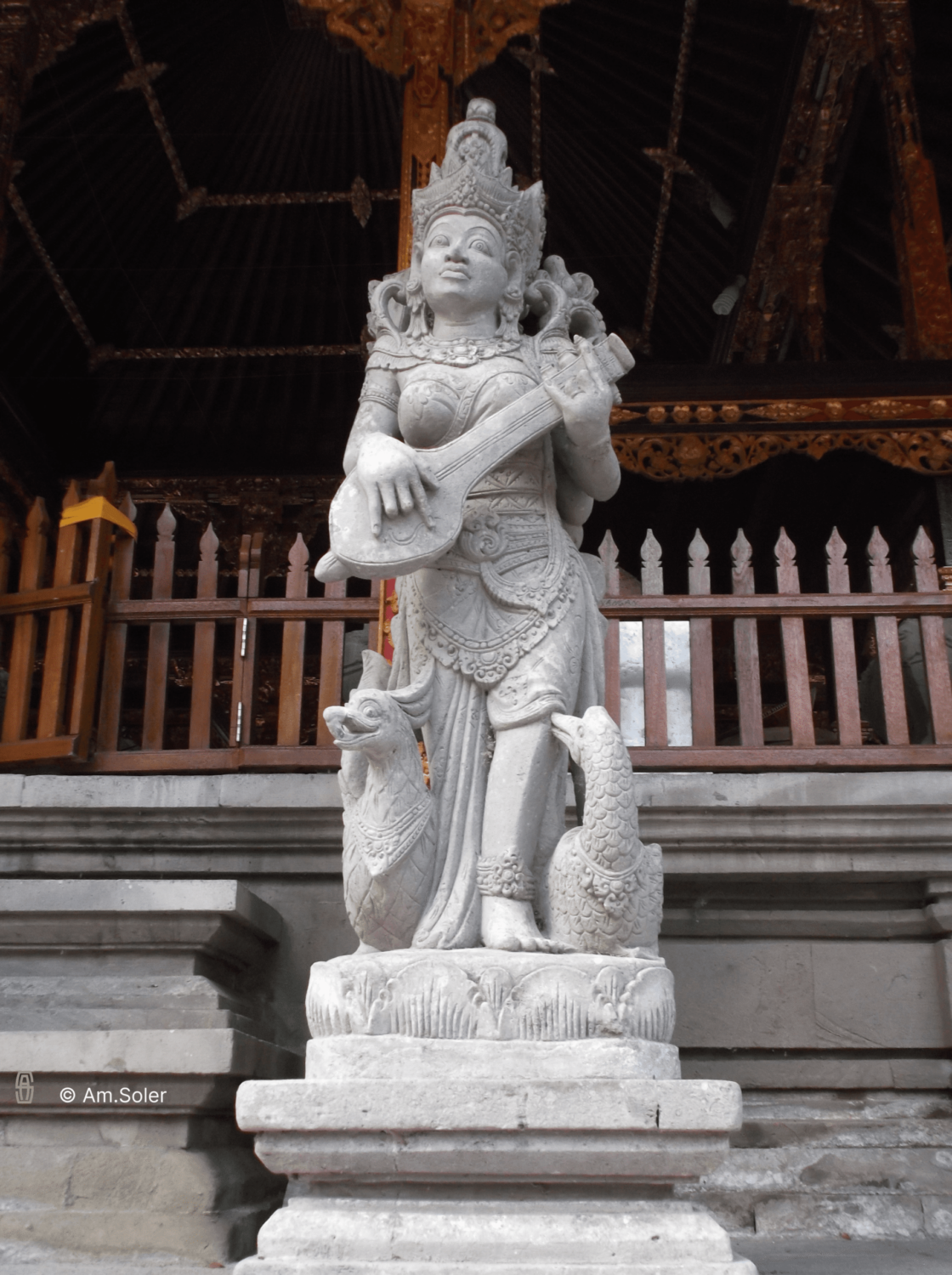
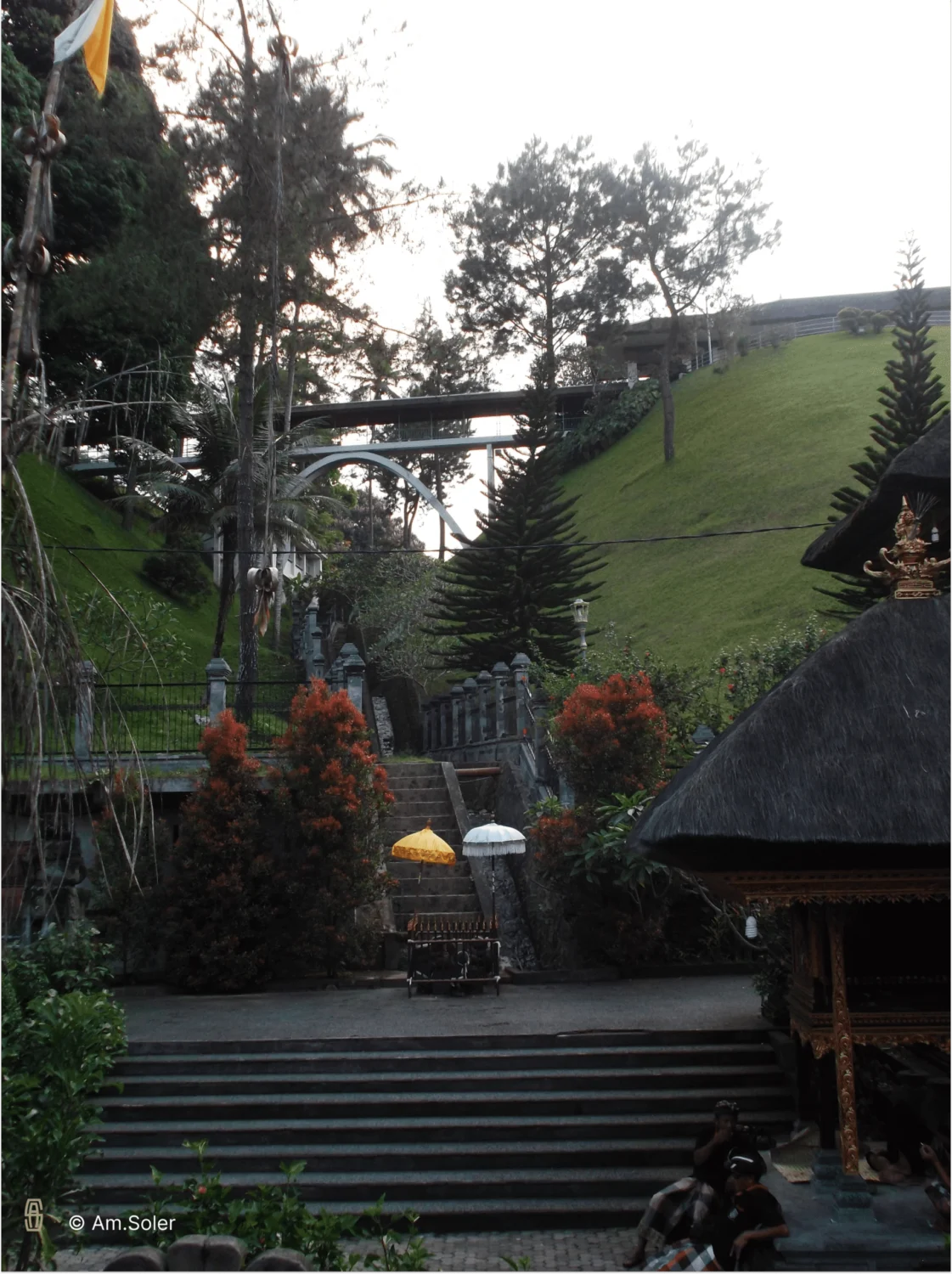
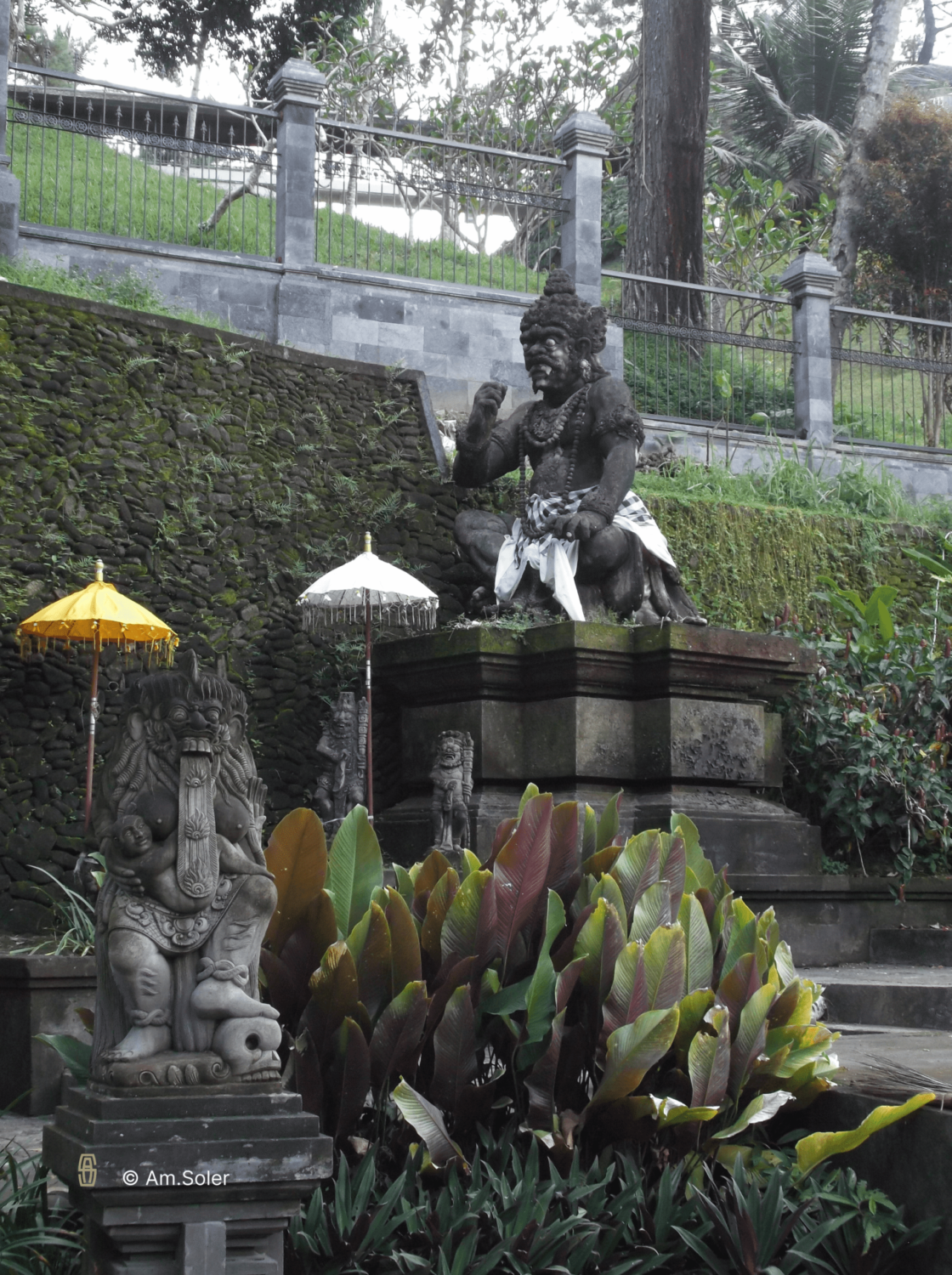
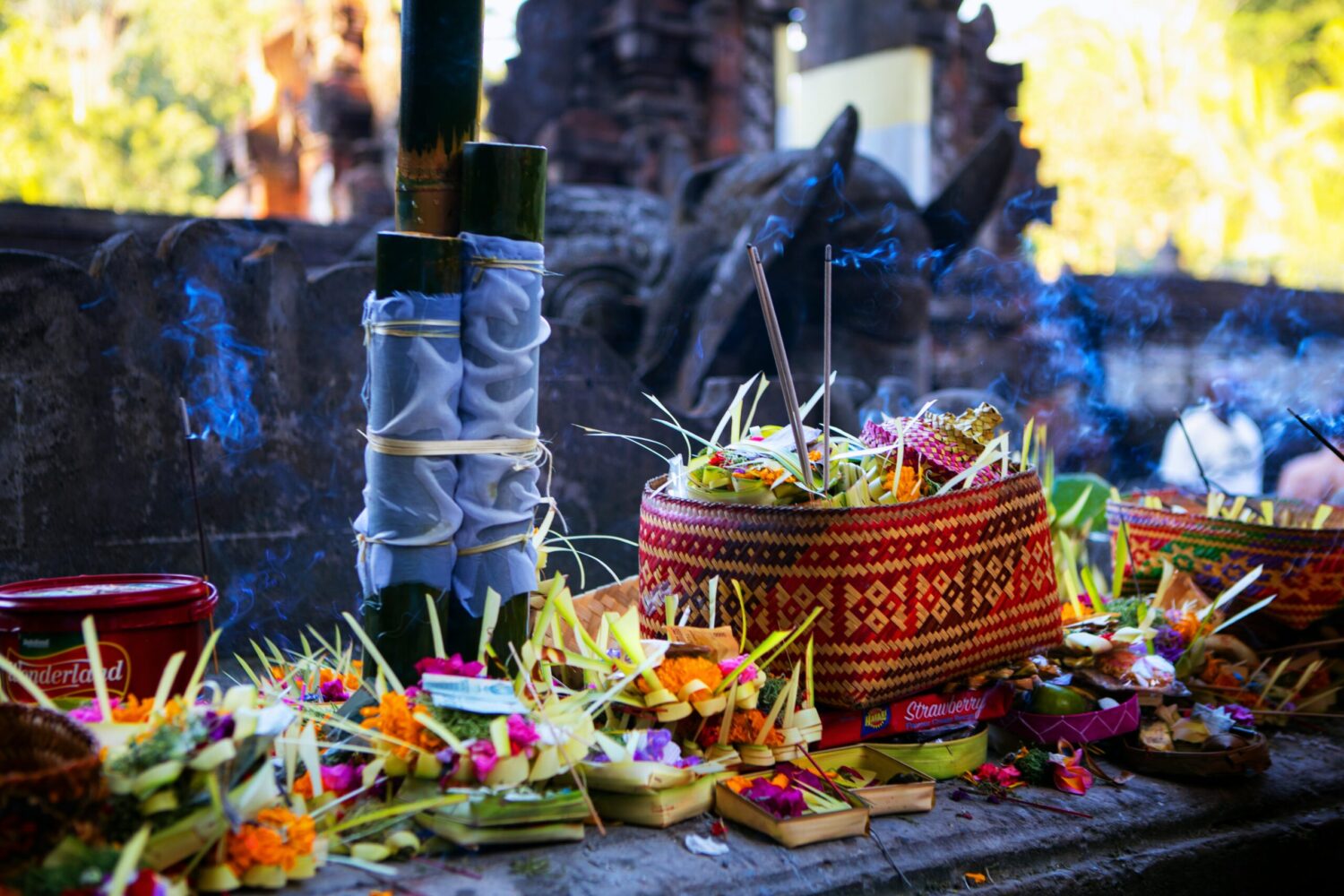
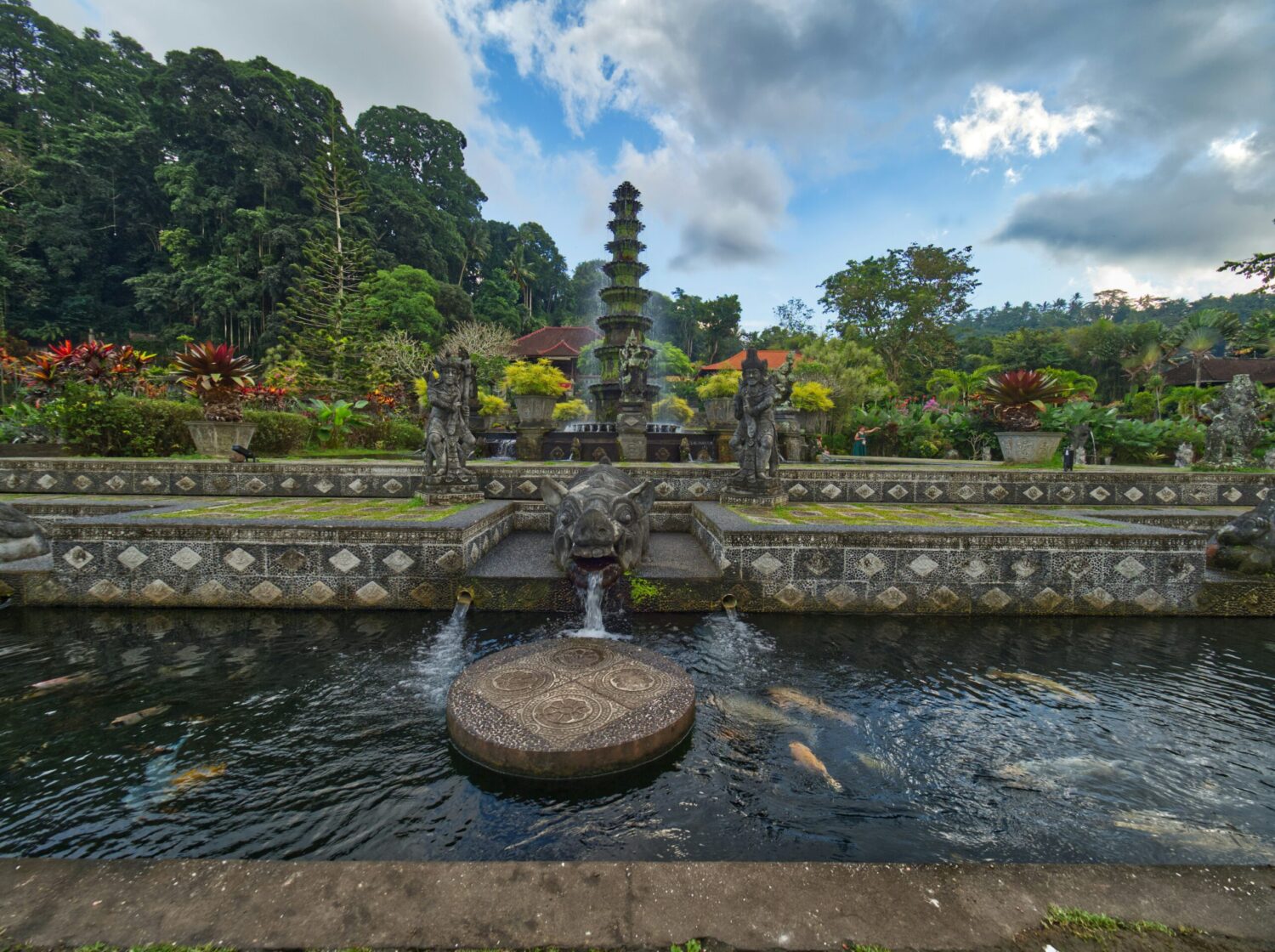
The Tirta Empul Temple perfectly illustrates the central role played by water in Bali’s spiritual traditions, where religion, nature and daily life remain closely intertwined. This relationship between the natural elements and the sacred is also evident in the landscapes of Java, where volcanoes have shaped the archipelago’s beliefs and cultural practices for centuries.
To find out more about this iconic site, you can visit the official website of Tirta Empul Temple, which details its history, traditions and significance within Balinese culture.