

Snorkeling in Komodo National Park: exceptional marine biodiversity waiting to be discovered
Snorkeling in Komodo National Park offers much more than just a surface-level activity. Located in the heart of Indonesia, this natural area boasts some of the richest marine biodiversity on the planet. Indeed, with its teeming coral reefs, iconic species and complex ecological interactions, this region is a veritable living laboratory.
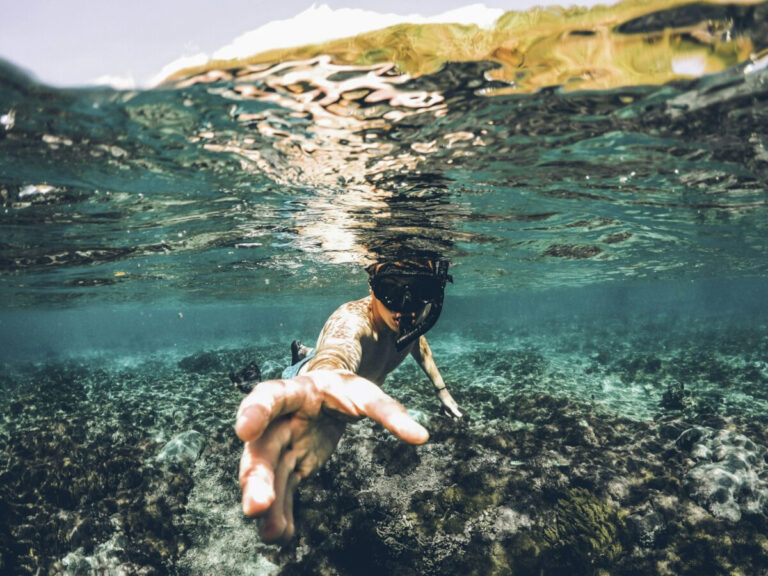
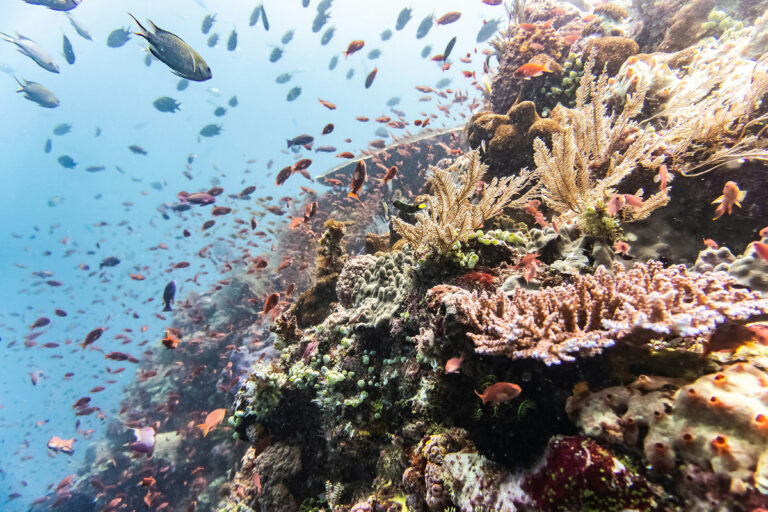
Moreover, by adopting an approach that is both cultural and scientific, understanding this environment allows us to appreciate the richness of tropical marine ecosystems. In fact, Komodo National Park is not merely about its spectacular landscapes; instead, it reveals a fascinating natural order, shaped by millions of years of evolution.
Understanding snorkelling in Komodo National Park within its ecological context
An archipelago at the heart of the Coral Triangle
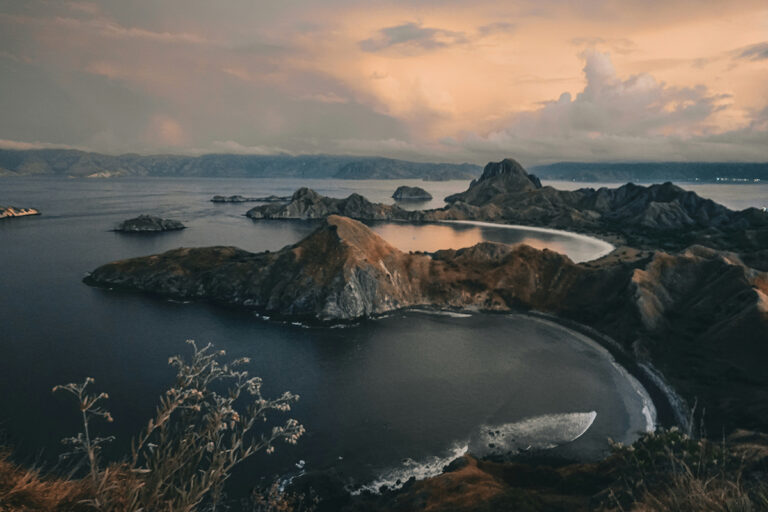
Komodo National Park lies within the Coral Triangle, a region considered one of the richest and most complex marine ecosystems in the world. However, beyond this concentration of species, it is above all the ecological functioning of this area that makes it unique.
The archipelago is situated at the meeting point of several bodies of water with different characteristics. Consequently,these interactions generate powerful and shifting currents, which promote the mixing of nutrients and stimulate biological productivity. This phenomenon, often linked to upwellings, allows microscopic organisms such as plankton to thrive in large quantities, thus forming the basis of the entire food chain.
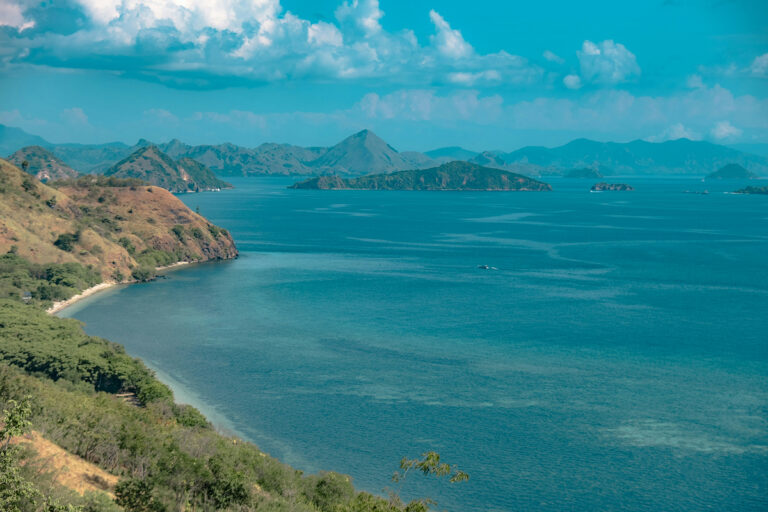
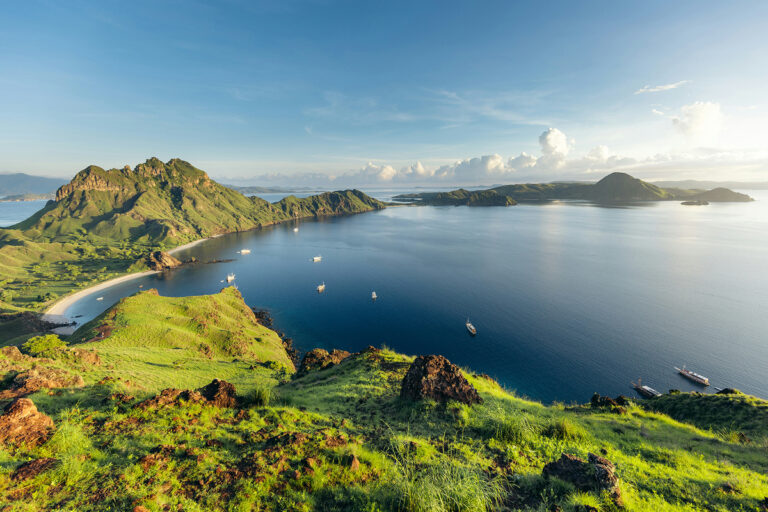
The underwater geography reinforces this dynamic. Volcanic features, narrow straits and variations in depth create areas of turbulence where marine life congregates. As a result, these conditions explain why certain snorkelling spots boast an exceptional density of species visible at the surface.
Thus, snorkelling in Komodo relies not only on the presence of a variety of species, but on an active ecological balance, constantly fuelled by the natural currents of the ocean.
Why Komodo attracts marine life enthusiasts
Komodo National Park attracts both scientists and curious observers alike due to the clarity of its ecosystems. Unlike other marine environments where interactions remain difficult to observe, here many ecological phenomena are visible directly at the surface.
This accessibility is due to a combination of several factors:
• high biological productivity ;
• habitats situated close to one another ;
• a constant circulation of nutrients .
Consequently, snorkelling allows one to observe ecological relationships in real time: predation, symbiosis, movements driven by currents, and feeding behaviour.
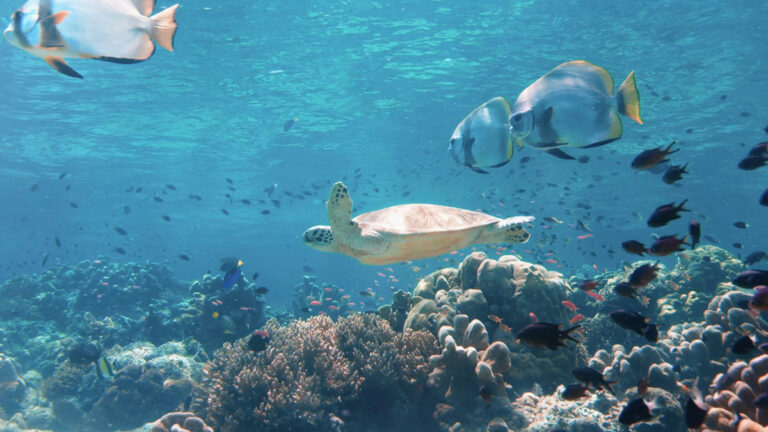
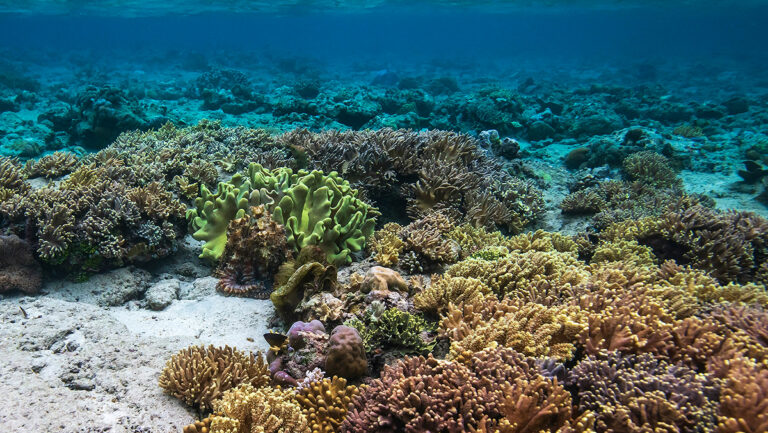
However, this balance remains fragile. The biodiversity we see depends on specific conditions that are sensitive to climate fluctuations and external pressures. Therefore, understanding this ecological context also means realising that every species, every habitat and every interaction contributes to the stability of the whole.
From this perspective, snorkelling is no longer merely an aesthetic experience. Instead, it becomes a way of engaging with a complex living system, where balance depends on interactions that are invisible yet essential.
Marine biodiversity: an ecosystem of unique richness
Iconic marine species in Komodo
Marine biodiversity encompasses a multitude of species, ranging from microscopic organisms invisible to the naked eye to large marine animals navigating the region’s powerful currents. Indeed, this exceptional diversity exists within a rare ecological context, where various oceanic influences converge and foster an extraordinary concentration of life.
Among the most remarkable species:
• Multicoloured tropical fish,
belonging to hundreds of different species, which inhabit the coral reefs and play an active role in maintaining their balance ;
• Sea turtles,
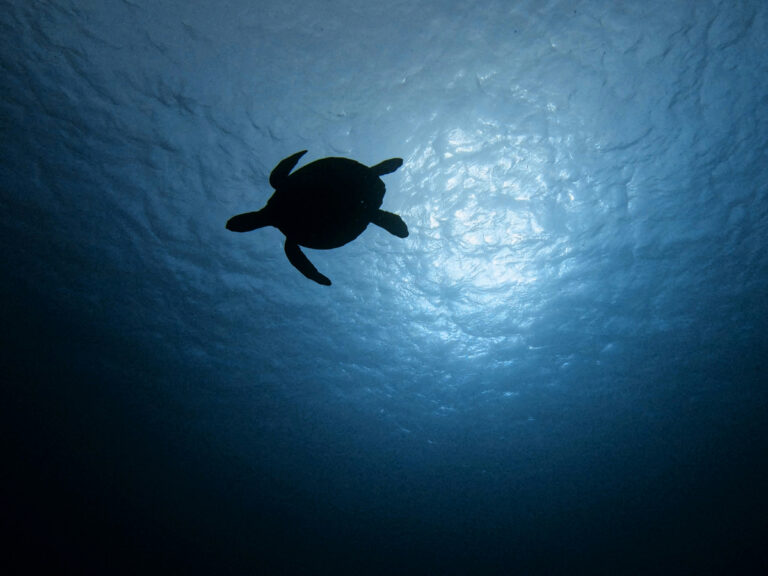
notably green and hawksbill turtles, which use these waters as feeding grounds and sometimes as migration routes ;
• Reef sharks,
discreet yet essential, playing a regulatory role in the food chain ;
• Komodo manta rays,
emblematic of the region, often observed in plankton-rich areas ;
• A wide variety of invertebrates,
including nudibranchs, starfish, molluscs and crustaceans, which demonstrate the complexity of the ecosystem .
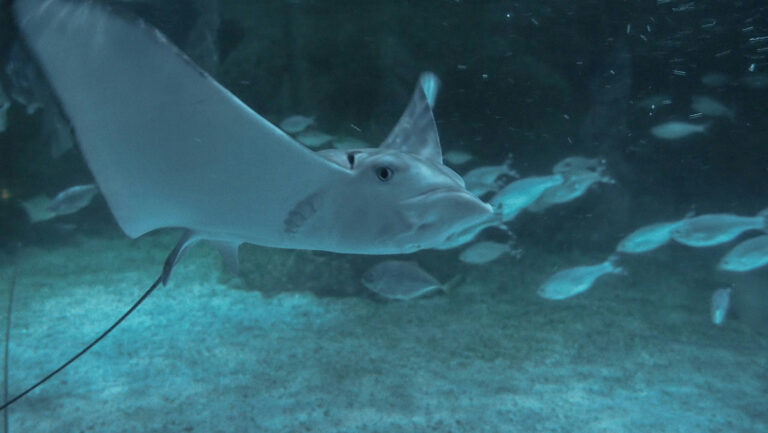
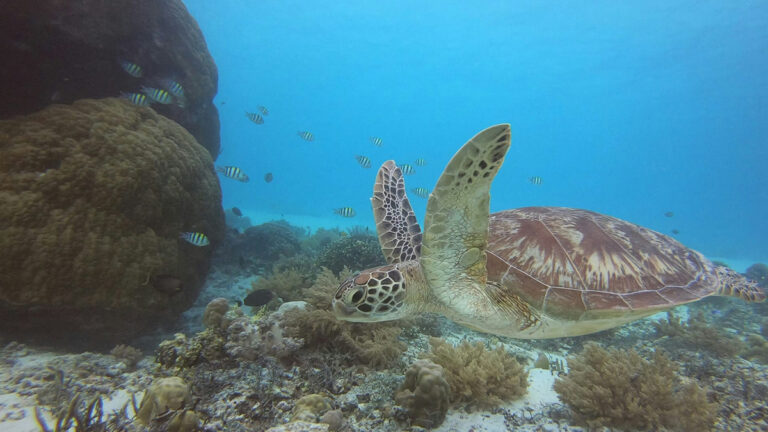
Beyond this list, what truly characterises marine life is the coexistence of species from different marine environments. Certain areas are home to both species typical of warm tropical waters and others adapted to cooler conditions, due to upwelling of deep-sea water.
Furthermore, this richness is explained by the diversity of habitats found in the region: coral reefs, underwater slopes, sandy bottoms, seagrass beds and areas of strong currents. Each of these environments offers specific conditions that encourage the specialisation and complementarity of species.
Thus, Komodo’s marine biodiversity is not merely a collection of species: it reflects a complex ecological organisation, where every organism has its place within an interdependent system.
Interactions between marine species and habitats
Komodo’s marine ecosystems rely on a delicate balance, shaped by constant interactions between species and their environment. Consequently, every organism, from the smallest to the largest, plays a role in maintaining this balance, contributing to the system’s stability and resilience.
Coral reefs, for example, serve as shelters for many juvenile species, offering protection from predators and favourable conditions for their development. Moreover, these living structures are not merely habitats: they are also areas for reproduction, feeding and intense biological interactions.
Seagrass beds, often less visible, are another essential component. They provide food and refuge for many species, including certain sea turtles and herbivorous fish. In adition, their role in carbon sequestration and sediment stabilisation further reinforces their ecological importance.
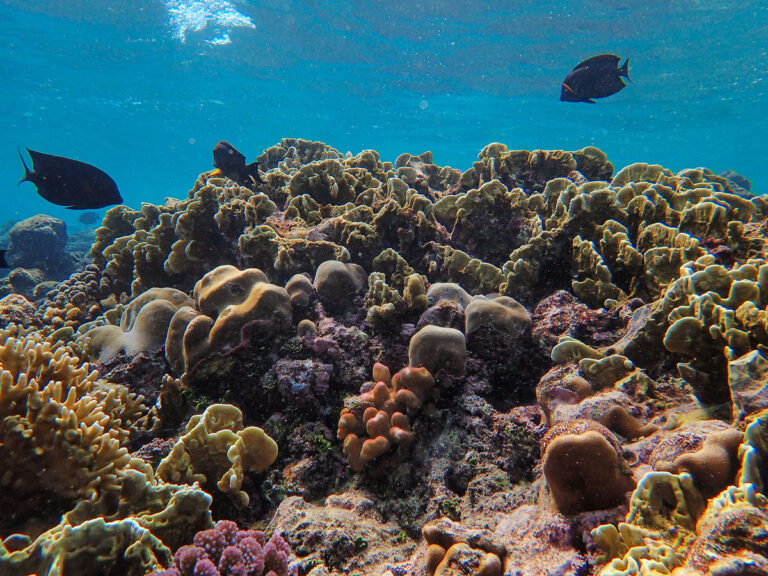
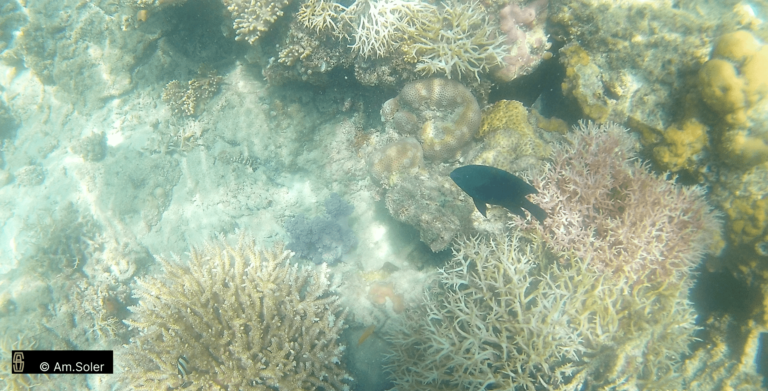
Furthermore, ocean currents play a key role in the distribution of nutrients. In Komodo, these currents can be particularly strong, promoting the mixing of waters and a constant supply of plankton. This dynamic explains the presence of filter-feeding species such as manta rays, as well as the overall vitality of the food chain.
Interactions between species take various forms:
• Predation, regulating populations ;
• Symbiosis, such as between certain fish and corals ;
• Cleaning, with specialised species removing parasites and debris ;
• Competition, influencing the distribution of species .
This constant interconnection makes Komodo’s marine life a highly dynamic and evolving system, capable of adapting to environmental changes whilst maintaining remarkable overall stability.
Understanding these interactions allows us to move beyond mere visual observation and gain a deeper insight into the ecosystem. Snorkelling then becomes a gateway to a broader understanding of natural marine balances.
Komodo coral reefs: pillars of the ecosystem
Formation and diversity of Komodo coral reefs
Coral reefs are built by living organisms known as corals, which secrete limestone over time to form solid structures. This slow process, spanning thousands of years, gives rise to complex underwater structures that are essential to the balance of marine environments. These include:
These include:
• Hard and soft corals, with varied shapes and functions ;
• Formations such as plateaus, slopes or steep ridges, which influence water circulation ;
• Shallow areas, particularly rich in light, which promote photosynthesis in symbiotic algae (zooxanthellae).
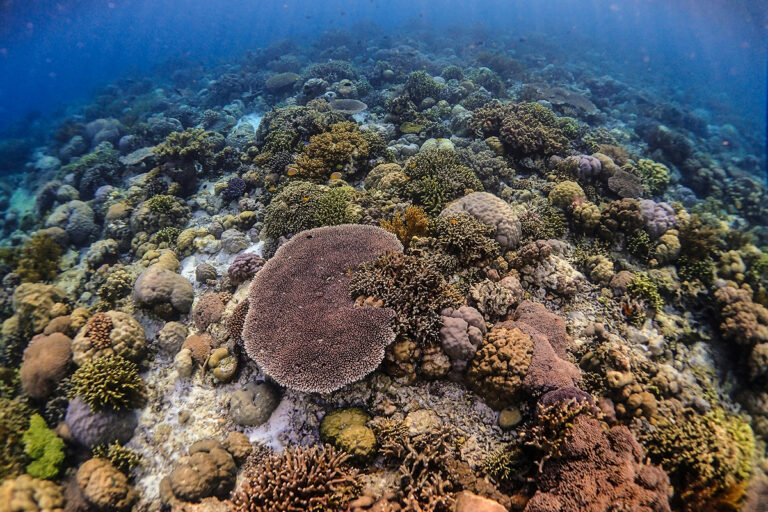
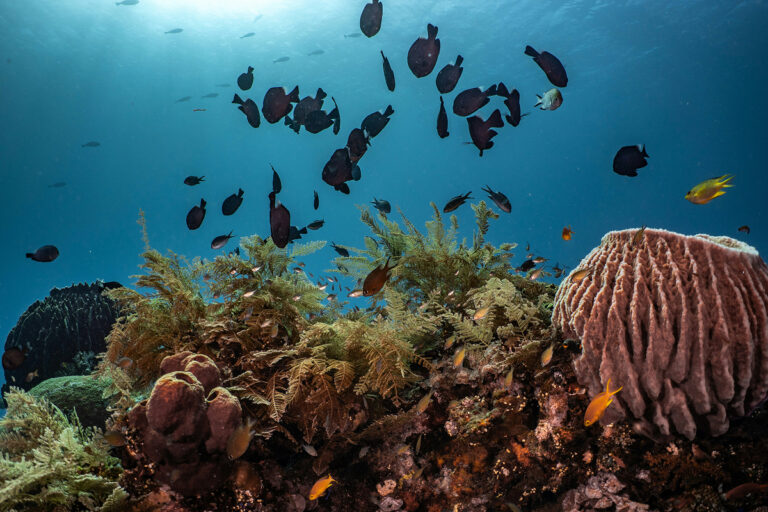
The diversity of the region’s reefs can also be attributed to specific environmental conditions: temperature variations, strong ocean currents and a regular supply of nutrients. Consequently, these factors enable the development of reefs with varied structures, capable of supporting biological communities that differ significantly from one area to another.
Thus, coral reefs are not uniform formations, but structured and differentiated ecosystems, adapted to local conditions.
The ecological role of reefs in marine biodiversity
Coral reefs play a central role in the functioning of Komodo’s marine ecosystems. Indeed, they provide both a physical structure and a biological habitat that is essential for many species.
Their main functions include:
• Protecting coastlines from erosion by breaking the force of the waves ;
• Providing a habitat for a wide variety of species, serving as a refuge, breeding ground and feeding ground ;
• Acting as a source of food, directly or indirectly, for many marine organisms.
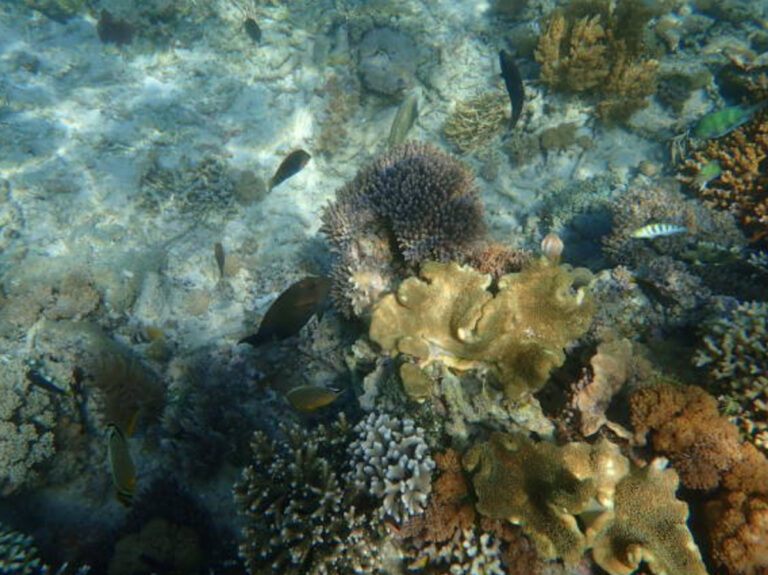
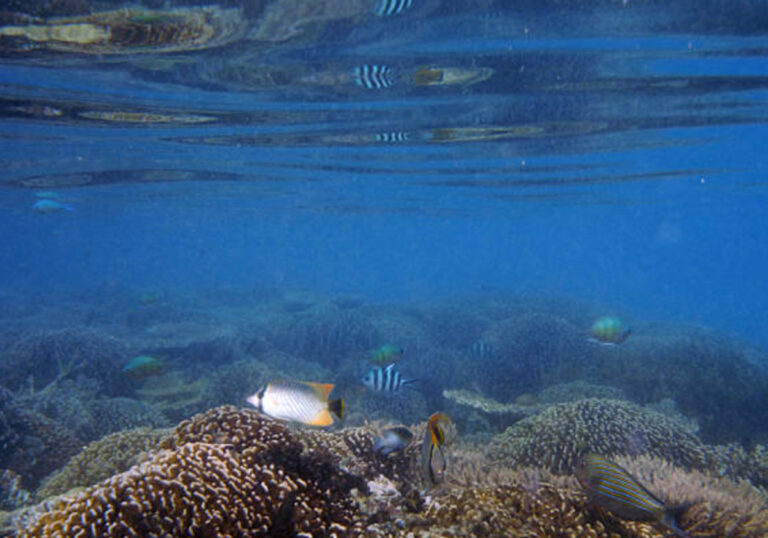
However, their role extends beyond these visible functions. Reefs also help regulate ecological balances by supporting food chains and fostering interactions between species.
Furthermore, they act as true hubs of biodiversity, around which other habitats such as seagrass beds and sandy areas are organised. As a result, this complementarity strengthens the overall stability of the ecosystem.
Without these structures, marine biodiversity in Komodo would be severely reduced, and the entire system would lose its resilience to disturbances. Therefore, their preservation is therefore a major ecological challenge, both locally and globally.
Watching Komodo manta rays: a fascinating phenomenon
Why manta rays visit Komodo?
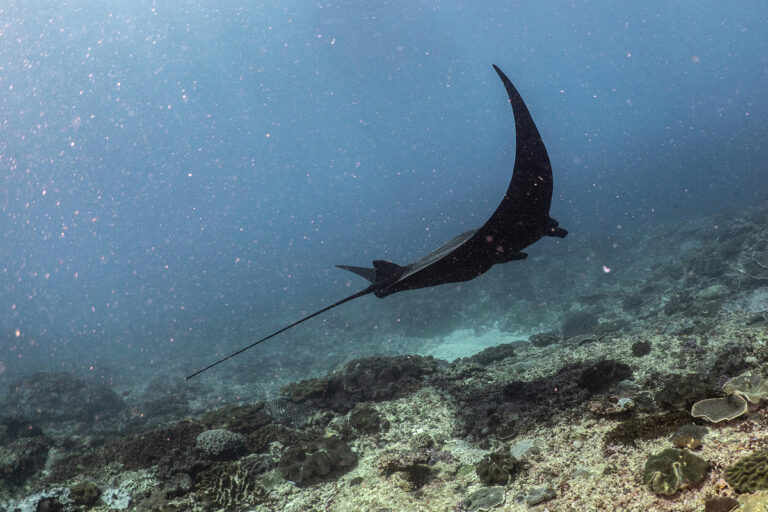
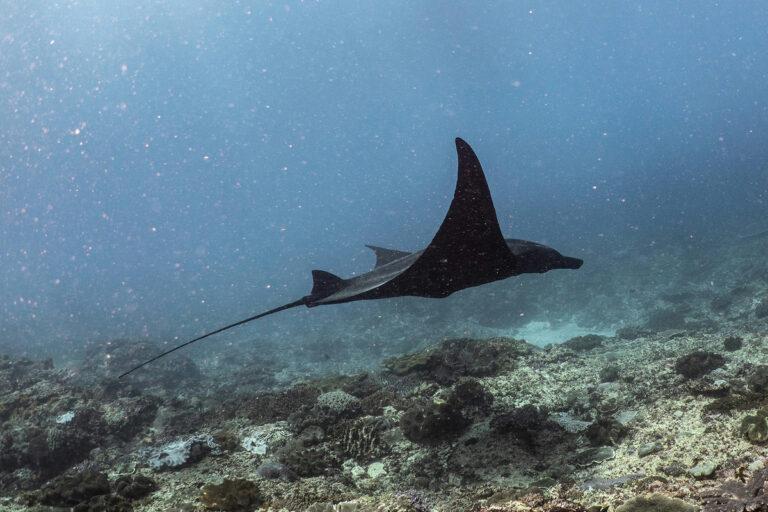
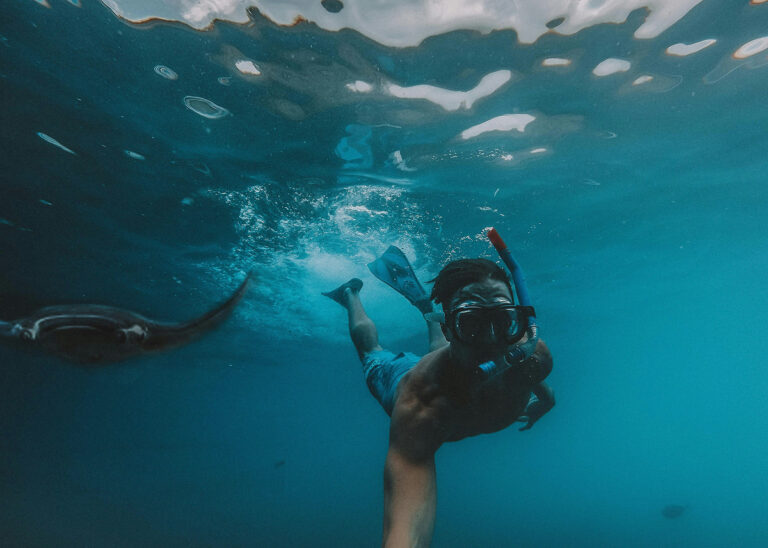
The manta rays in Komodo are drawn to the plankton-rich currents, which form their main source of food. In particular, certain areas of the park, particularly those where the currents are strongest, encourage their regular presence by creating ideal conditions for feeding.
Furthermore, these impressive creatures often swim in relatively shallow and accessible areas, allowing them to be observed without complex equipment. Their behaviour, particularly whilst feeding or moving, can therefore be observed directly.
Their role in marine balance
Manta rays help regulate plankton populations and contribute to the balance of the ecosystem. By filtering large quantities of water, they play a role in the circulation of matter and the structure of the food chain.
Moreover, their presence is often seen as an indicator of good environmental health, as it depends on specific ecological conditions, particularly water quality and the availability of nutrients.
For further insights into manta ray sightings in the region, the article on Petitesbullesdailleurs offers additional information on their presence around Komodo and Flores.
Snorkeling is an accessible way to immerse yourself in nature
A rich and varied exploration from the surface
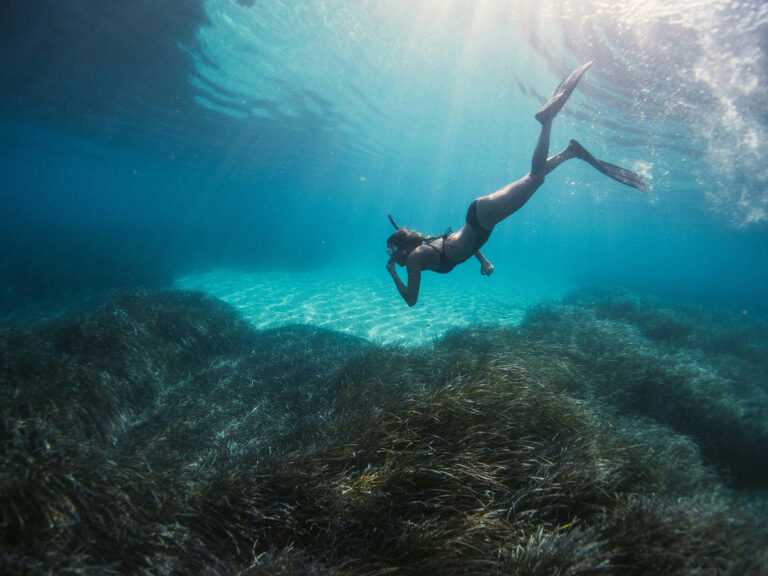
Snorkelling in Komodo allows you to observe a wide variety of marine life without having to dive deep. Consequently, this accessibility makes the experience particularly immersive, offering a direct insight into the ecosystems in their most active areas.
You can observe:
• Reefs close to the surface, bathed in light and fostering high biological activity ;
• A concentration of species in confined areas, linked to currents and nutrient inputs ;
• Behaviour visible in real time, such as movements in shoals or feeding interactions.
Overall, this proximity to the environment makes it easier to grasp the dynamics of marine habitats, without the need for technical equipment.
Differences between snorkelling and scuba diving in this region
Unlike scuba diving, snorkelling does not require any specific training. However, in this region, the marine life visible at the surface often rivals that found in the depths. This is because the layout of the coral reefs, which are often close to the surface, and to the high concentration of nutrients that attracts a wide variety of species.
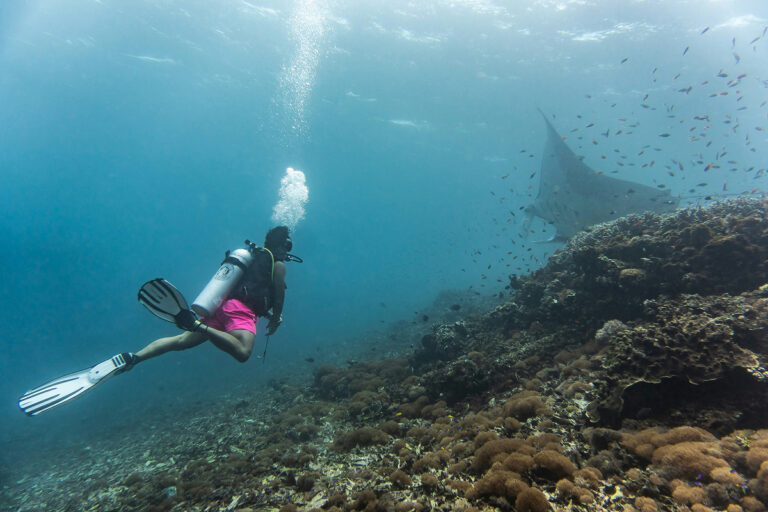
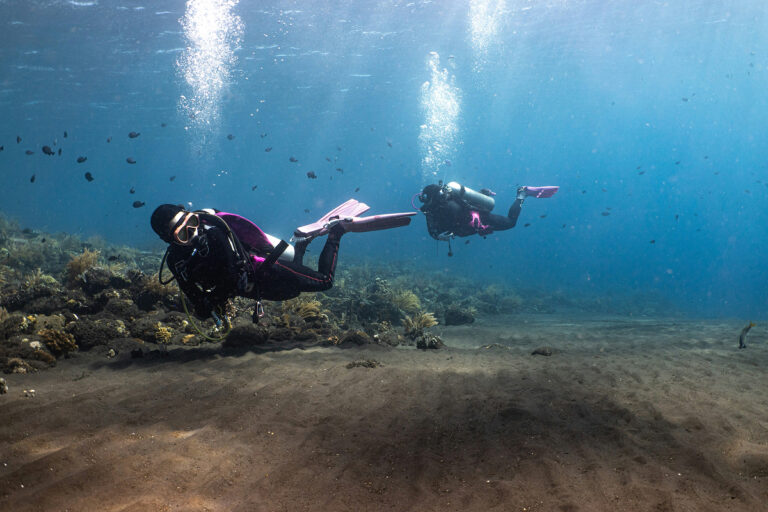
Diving, however, allows you to explore deeper areas, where the underwater topography, currents and certain specific species offer a different perspective on the ecosystem. Conversely, snorkelling highlights immediate and visible interactions, particularly in shallow areas where biological activity is particularly intense.
Thus, these two approaches are not mutually exclusive but complementary, each revealing a distinct facet of Komodo’s marine ecosystems.
The interactions between land and sea in the national park
The influence of currents and volcanic features
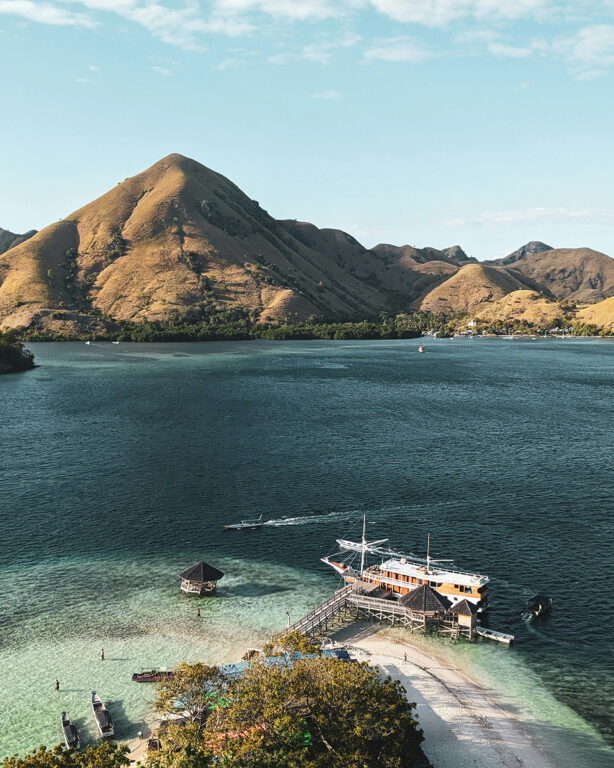
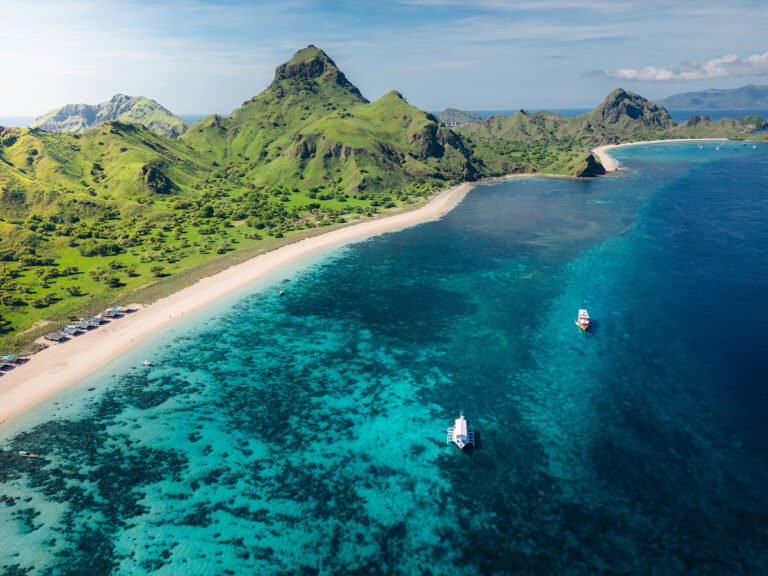
Marine currents play a key role in the distribution of nutrients. Furthermore, underwater volcanic features, combined with the region’s narrow straits, amplify these movements and create areas of turbulence that are conducive to biodiversity. Consequently, these dynamics help to concentrate marine life in certain areas, enhancing the overall ecological productivity of the region.
Ecological continuity between terrestrial and marine environments
Terrestrial and marine ecosystems are closely interconnected. Indeed, sediments, nutrients and certain organisms move between these two environments, creating essential ecological continuity. As a result, this constant interaction influences the quality of marine habitats and contributes to the overall balance of the environment.
Conservation of marine life in Komodo and environmental challenges
The fragility of marine ecosystems
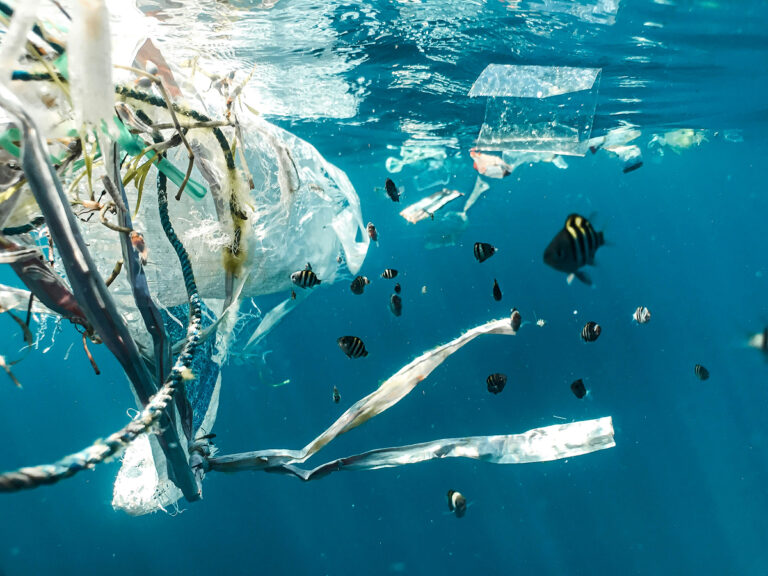
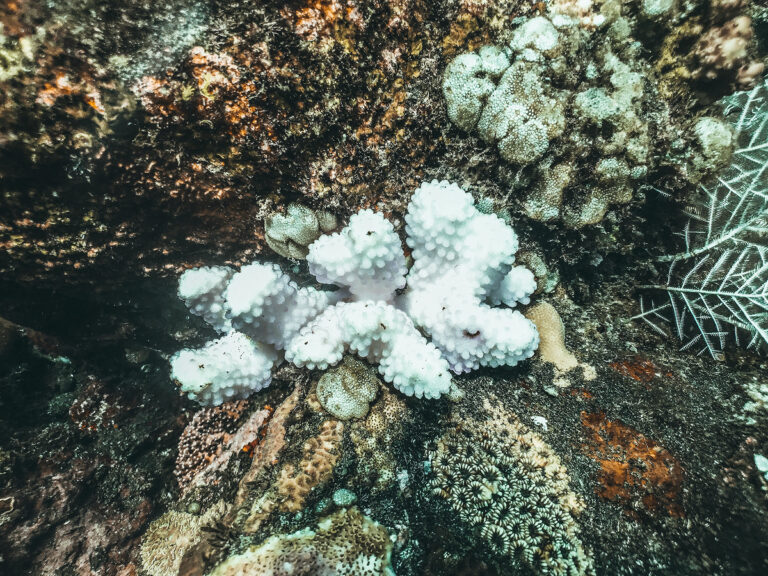
Despite their richness, these ecosystems remain fragile. Climate change, particularly rising water temperatures, pollution and certain human activities can disrupt them. Consequently, these pressures can lead to imbalances, affecting both habitats such as coral reefs and the species that depend on them.
Conservation initiatives in the park
Komodo National Park benefits from conservation measures designed to preserve its biodiversity. These initiatives include:
• Regulating human activities, to limit their impact on sensitive areas
• Monitoring of ecosystems, enabling the identification and tracking of environmental changes
• Environmental awareness, essential for encouraging respectful practices
These actions help to maintain the park’s ecological balance, whilst fostering a better understanding of its long-term challenges.
Visit this reference website, unesco.org to find out more about marine ecosystems.
FAQ - Snorkelling in Komodo National Park and marine biodiversity
What makes snorkelling in Komodo National Park unique?
Above all, its exceptional biodiversity and the wealth of marine life visible from the surface.
Can you see manta rays whilst snorkelling in Komodo?
Indeed, there are certain areas where they can be spotted without diving.
Why are Komodo’s coral reefs important?
They form the basis of the marine ecosystem and support an extraordinary diversity of species.
What is unique about Komodo’s marine biodiversity?
In fact, its density and diversity, which are among the highest in the world.
Is snorkelling around the Komodo Islands suitable for everyone?
Generally, yes. It does not require any technical training.
Which are the conservation challenges in the region?
Overall, protecting the reefs, managing tourism and maintaining the ecological balance.
Conclusion: A cultural and ecological approach to snorkelling in Komodo National Park
Snorkelling in Komodo National Park goes far beyond a simple water-based activity. Indeed, it offers the chance to explore a complex environment, where every element plays a part in the overall balance.
Moreover, with its coral reefs, marine biodiversity and iconic species such as manta rays, this region perfectly illustrates the richness of tropical ecosystems.
Ultimately, adopting an informative and cultural approach allows for a better understanding of these environments and an appreciation of their full depth. Komodo National Park therefore stands out as a remarkable example of the relationship between nature, science and observation.
Understanding the marine biodiversity of Komodo National Park also helps us to grasp the close links between the archipelago’s terrestrial and marine ecosystems, a topic explored in more detail on the page dedicated to Komodo National Park. This natural wealth is also embodied by the Komodo dragon, an iconic species whose presence helps to make this region one of the most fascinating environments in Indonesia.