Luwak Coffee in Indonesia: Origins and Traditions
A coffee associated with Indonesian agricultural landscapes
Luwak coffee is a variety of coffee produced in Indonesia. It is associated with certain agricultural regions where coffee cultivation is part of a tropical natural environment. In this context, the production of Luwak coffee cannot be separated from rural landscapes and local farming practices. Thus, this coffee is part of a long-standing agricultural tradition linked to the diversity of Indonesian terroirs.
Origin of Kopi Luwak

The origin of Luwak coffee is closely linked to the Dutch colonial period in Indonesia, then known as the Dutch East Indies. From the 18th century onward, the Dutch colonial authorities developed vast coffee plantations intended for export to Europe.
At that time, local populations were not allowed to consume the coffee beans grown on these plantations. However, they observed that the palm civet, called the luwak, ate the ripest coffee cherries.
As a result, farmers began collecting the beans naturally excreted by the animal. After cleaning and processing them, they discovered that these beans produced coffee with distinctive characteristics.
This empirical method, born in a context of colonial domination and restrictions imposed on local populations, forms the historical origin of kopi luwak as it is known today.
(Kopi means coffee in Indonesian, and Luwak is the local name for the civet, a mammal between a fox and a mongoose.)
History of Kopi Luwak

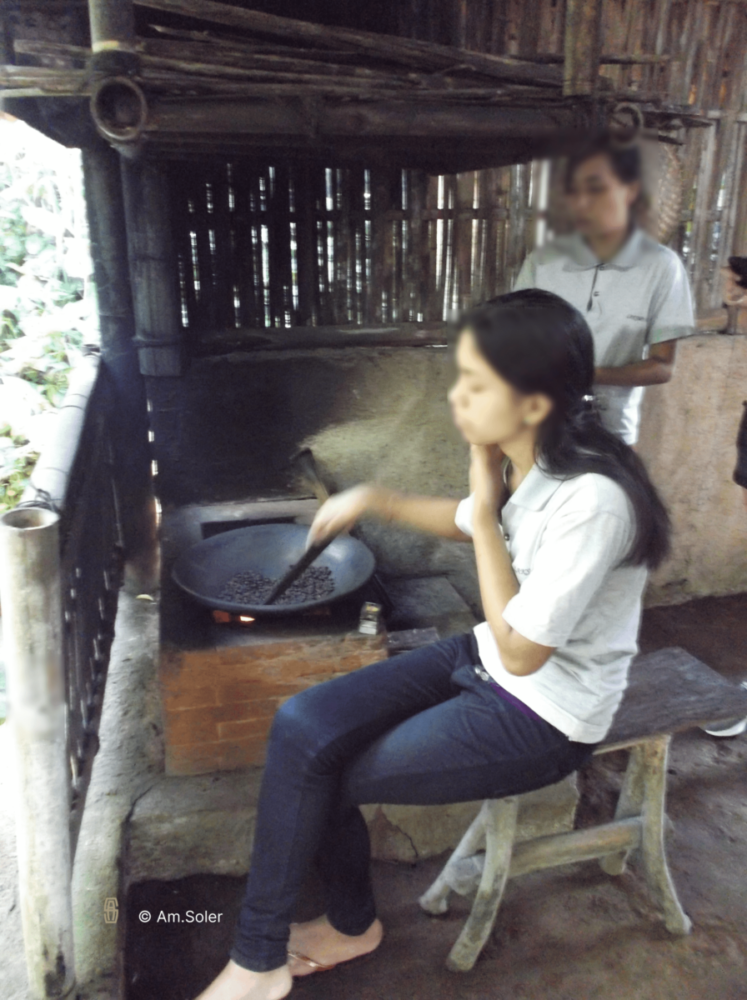
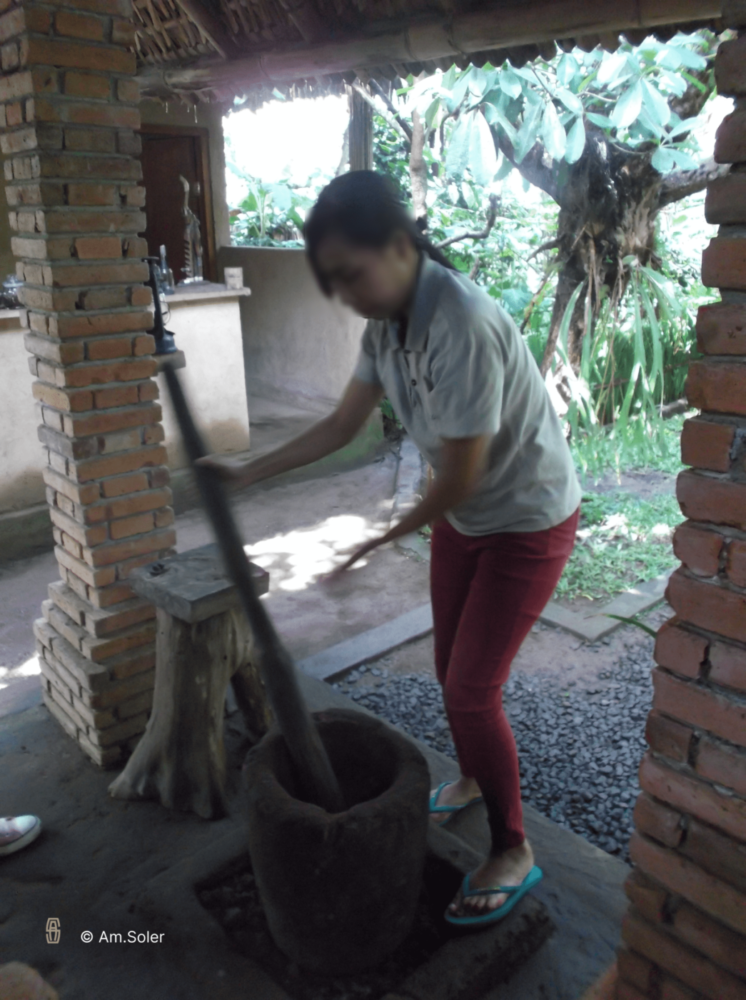
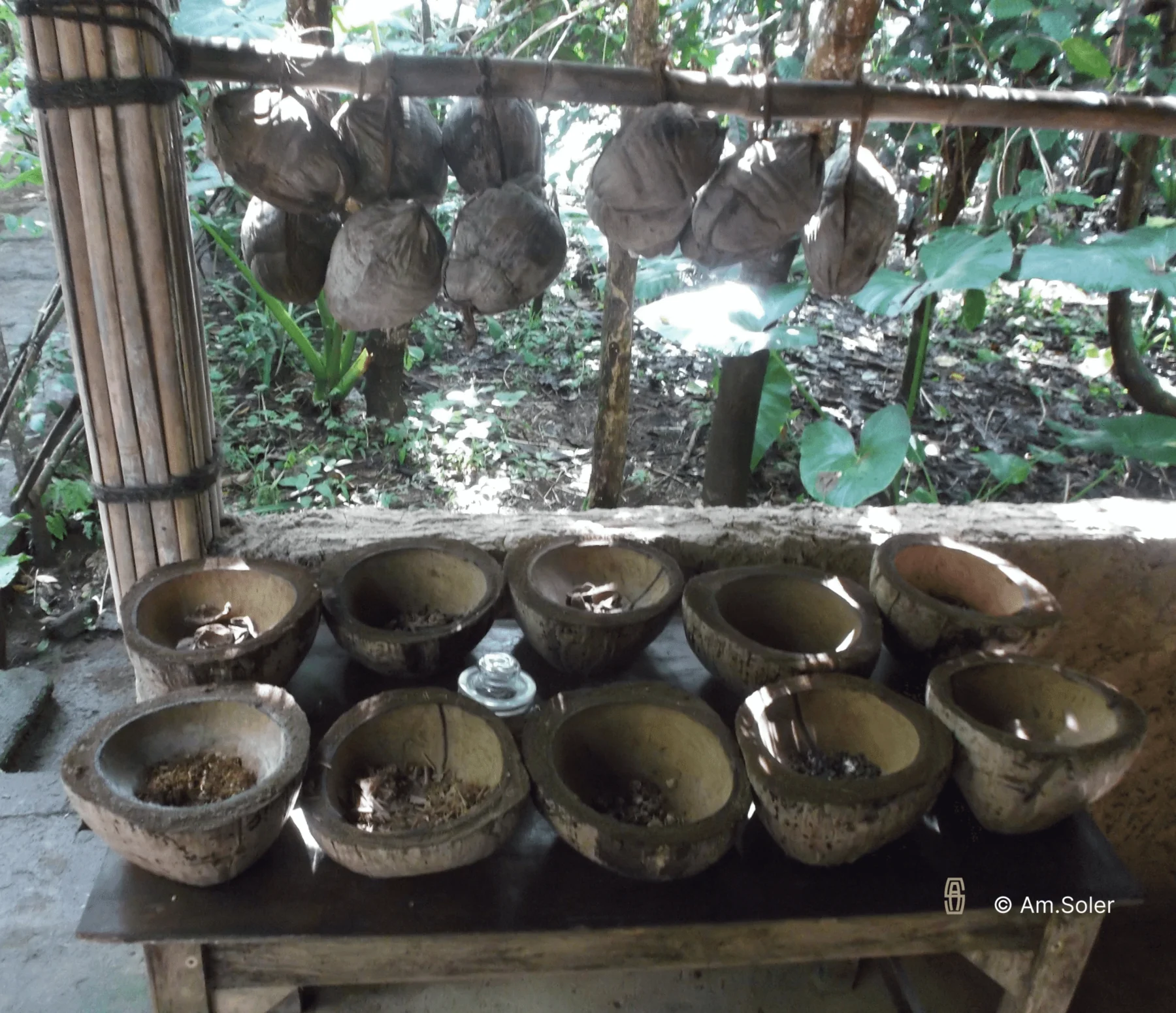
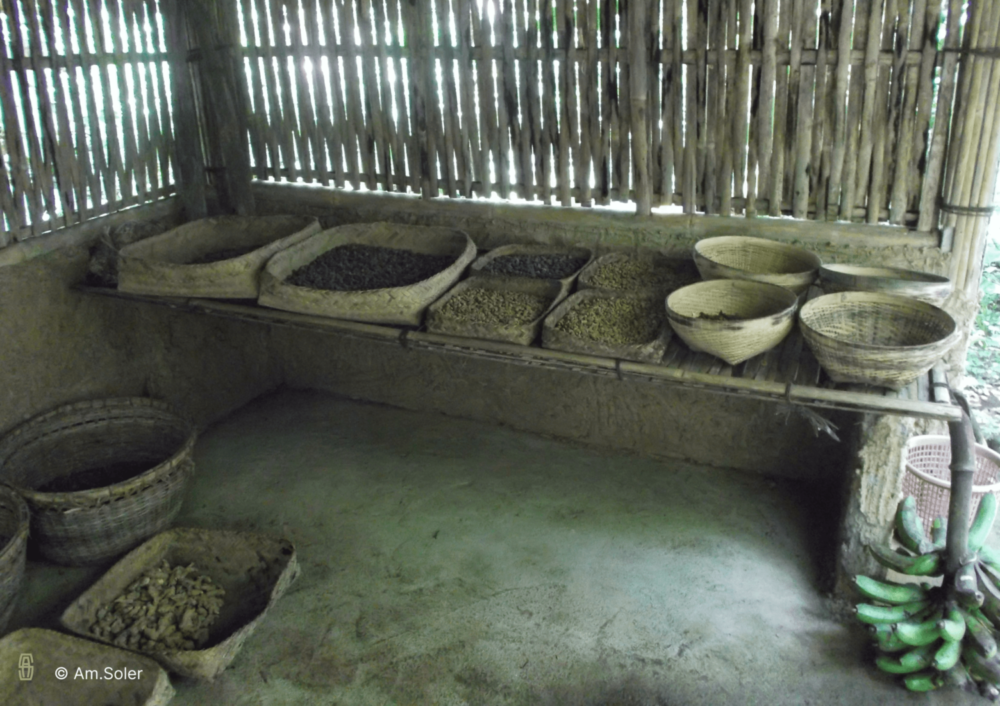
Over the years, Kopi Luwak gained an international reputation. Its unique process is based on the digestion of coffee cherries by the Asian civet. During this process, natural enzymes slightly modify the composition of the bean and create mild, rounded, and low-bitterness aromas. As a result, the recovered beans then undergo cleaning, drying, and roasting stages.
This coffee later became a rare product appreciated by connoisseurs and sought after by exporters around the world.
Ethical production favors the freedom of civets and respect for their natural habitat in order to avoid any form of intensive farming.

Plantations and natural environment
Luwak coffee plantations are generally located in rural and mountainous areas. These regions benefit from a climate favorable to coffee cultivation. Moreover, the natural environment plays an essential role in the quality of the harvests. Forests, altitude, and volcanic soils influence production. Thus, the plantations exist in a balance between agriculture and the natural environment.
Luwak coffee and local traditions
Luwak coffee holds a particular place in certain local traditions. It reflects a close relationship between humans, animals, and the environment. From this perspective, coffee production is part of know-how passed down over time. Consequently, Luwak coffee goes beyond its agricultural dimension to become a cultural element.
A rare and controversial coffee
Kopi Luwak fascinates as much as it raises questions. Its high price is explained by its rarity, its natural process, and the work required to harvest it. However, international demand has sometimes led to questionable practices.
For a responsible purchase, it is recommended to favor producers who guarantee the freedom of civets and a sustainable production method.
Luwak coffee in Indonesian heritage
In Indonesia, Luwak coffee is part of a broader set of agricultural traditions. It illustrates the diversity of coffee production methods across the archipelago. Indeed, each region has its own agricultural and cultural characteristics. In this way, Luwak coffee contributes to the richness of Indonesia’s rural heritage.
This agricultural tradition is part of the landscapes and local practices of → Bali
The relationships between production, nature, and territory are also found in other regions of Indonesia → Lava and sacred