

Magelang: villages, rice paddies and Javanese crafts
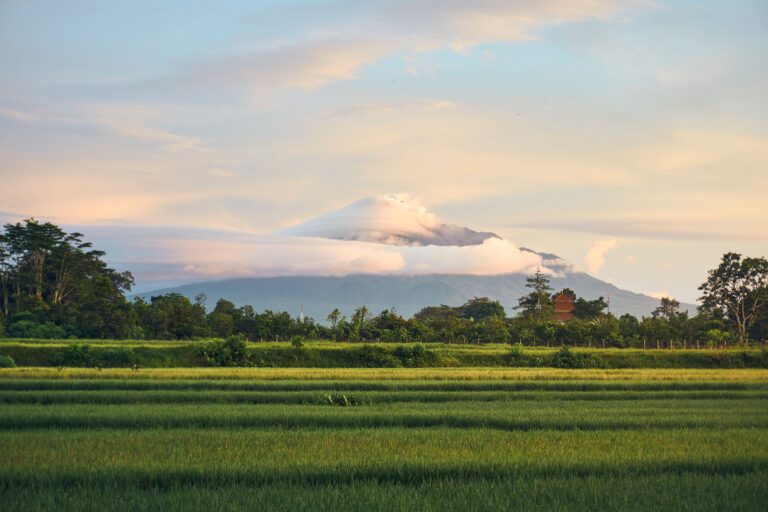
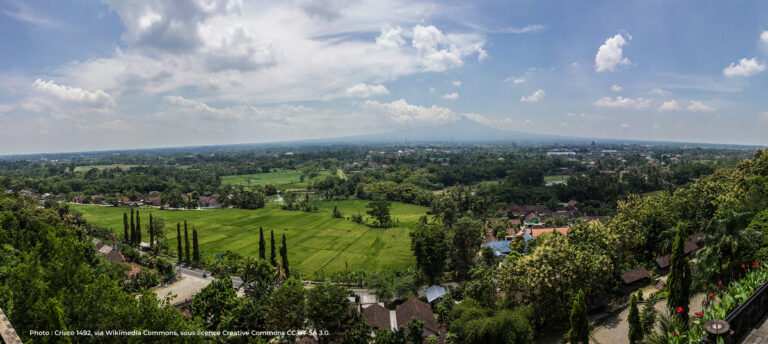
Located in the southern part of Central Java province, Magelang Regency lies at the heart of a landscape shaped by volcanic terrain and farmland. Indeed, some forty kilometres north-west of the city of Yogyakarta, it occupies a privileged position in the Kedu Plain, a vast, fertile depression surrounded by mountains. As such, the region owes much of its agricultural wealth to the deposits left over millennia by several major volcanoes, including Merapi, Merbabu, Sumbing and Sindoro. Consequently, this distinctive geography favours rice cultivation and explains the ubiquity of rice paddies, which still characterise the rural landscape today.
However, beyond its famous Buddhist monuments, Magelang preserves a living heritage comprising traditional villages, family-run farms and workshops where skills passed down through the generations are still practised. A cycling tour through the Javanese countryside allows you to discover all this richness as you pass through villages, rice paddies and landscapes shaped by the volcanoes. It also offers the chance to observe the craft activities that form part of the locals’ daily lives, from pottery-making to the traditional techniques of batik production. As such, this itinerary serves above all as a guide to understanding the cultural identity of Magelang Regency.
Magelang, a region shaped by the volcanoes of Central Java
The Magelang Regency is part of Central Java Province, one of the most densely populated regions in Indonesia. Administratively, it surrounds the city of Magelang, which is a separate municipality. However, the majority of its territory remains rural and consists of villages scattered amongst farmland, rivers and hills.
Furthermore, this region occupies a strategic position in the Kedu Plain, sometimes known as the ‘Garden of Java’ due to the exceptional fertility of its soil. Indeed, this vast depression is the result of a long geological history dominated by volcanic activity. The ash emitted over the centuries has gradually settled on the soil, creating a substrate particularly rich in minerals. As a result, farmers benefit from an environment favourable to the cultivation of rice, maize, cassava, tobacco, vegetables and numerous fruit varieties.
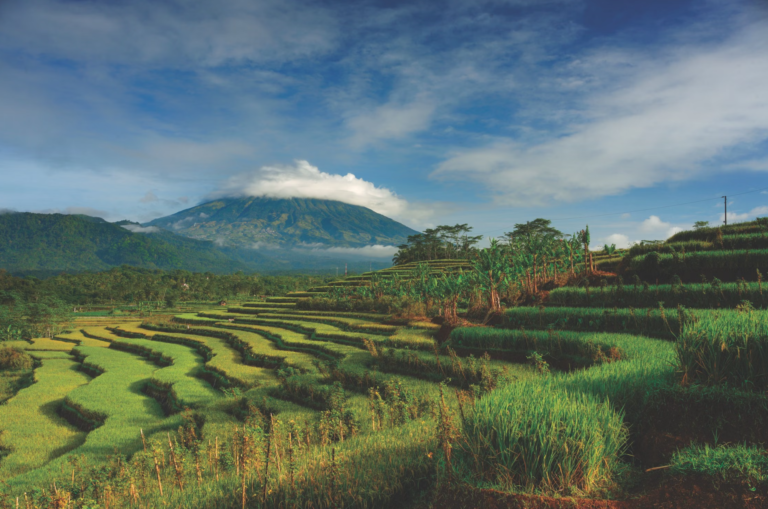
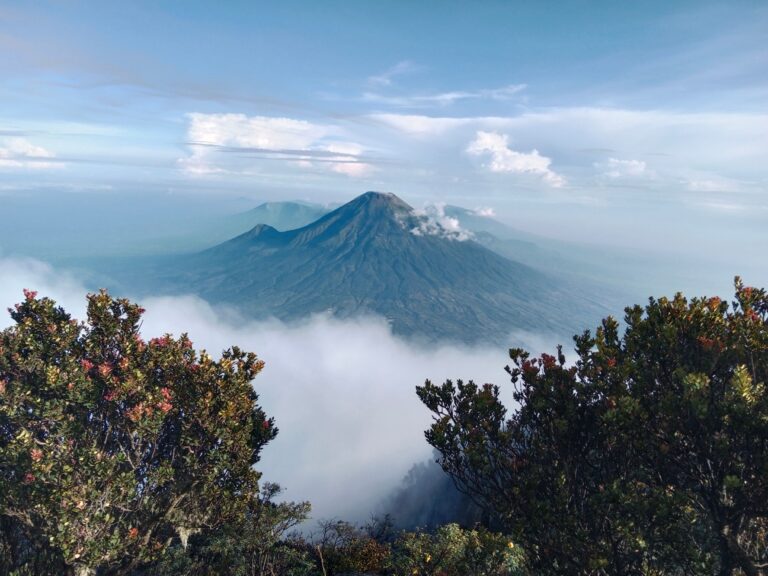
Around Magelang, several volcanoes dominate the horizon. Mount Merapi, situated to the south-east, remains Indonesia’s most active volcano. Further to the north stand Mount Merbabu and Mount Sindoro, whilst Mount Sumbing frames the landscape to the west. Together, these mountain ranges form a natural amphitheatre that influences the climate, hydrology and agricultural practices of the entire region.
Furthermore, heavy rainfall feeds a dense network of rivers flowing down the volcanic slopes. This water irrigates the rice fields via a system of canals and small reservoirs developed over several generations. As such, rice cultivation relies on a balance between natural resources and the collective labour of village communities.
Villages that preserve the Javanese rural way of life
The villages of the Magelang Regency are organised in a way that still reflects the rural traditions of Java. Homes are scattered along small, tree-lined roads, flanked by family gardens and cultivated plots. Furthermore, mosques, community halls and schools generally play a central role in daily life.
Unlike rapidly expanding urban areas, these villages maintain a rhythm largely dictated by the agricultural seasons. Families often cultivate several plots of land, whilst some residents engage in supplementary work in crafts or small-scale trade. This diversification helps to preserve traditional skills whilst generating additional income.
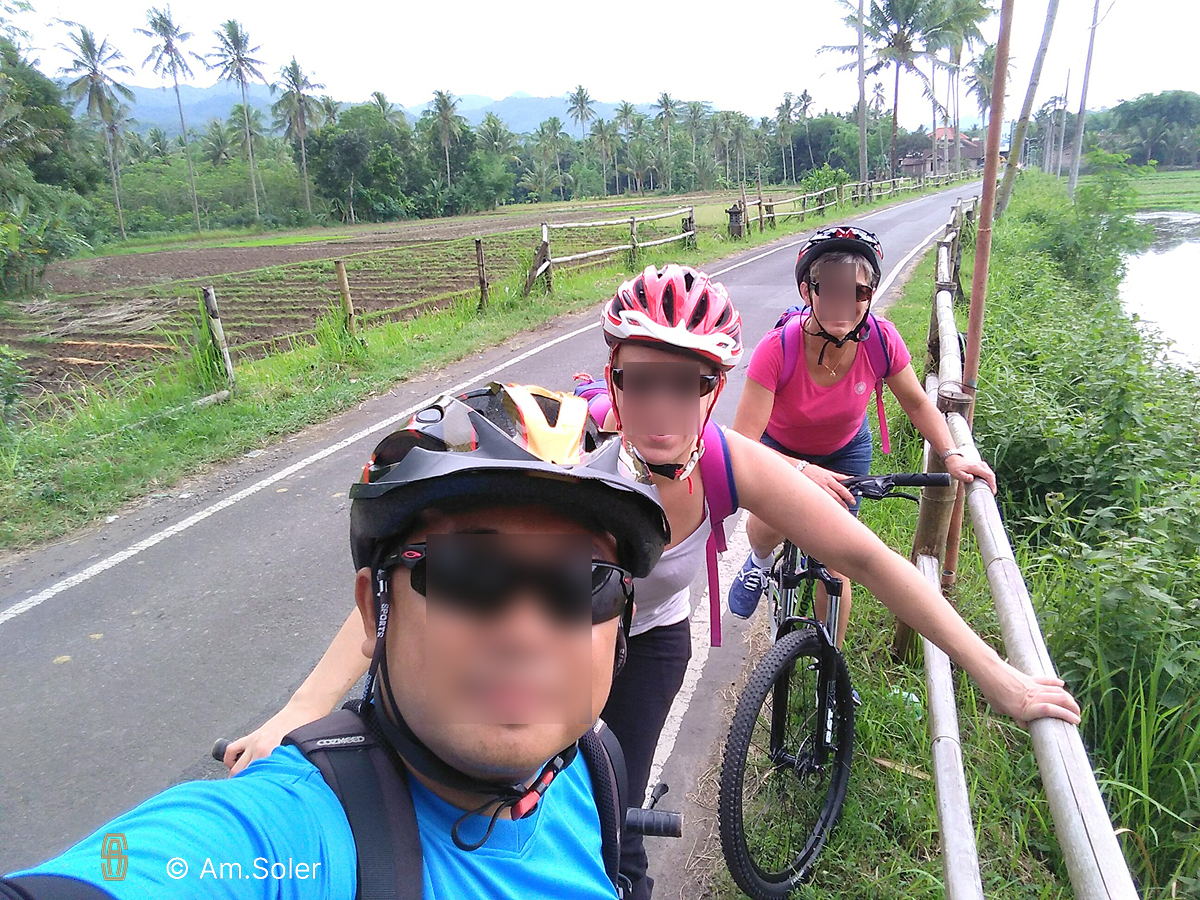
With this in mind, exploring these villages by bike offers a close-up view of how they function. The narrow roads winding through the rice fields lead to the heart of communities where agriculture, craftsmanship and daily life remain closely intertwined. As you cycle along, scenes of rural life unfold one after another, offering a vivid insight into how these traditions continue to shape the landscape of the Magelang Regency.
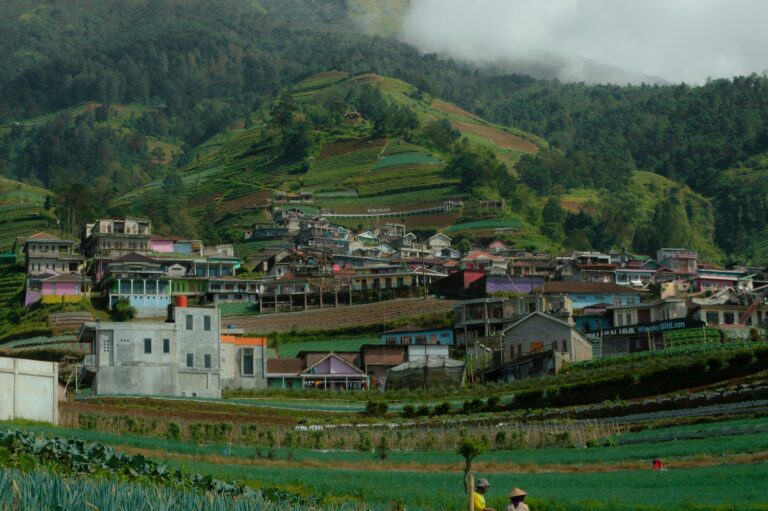
The rice fields of Magelang: a landscape shaped by centuries of farming
The rice fields are one of the most iconic features of Magelang’s landscapes. Indeed, they cover a large part of the Kedu Plain and stretch as far as the foothills of the volcanic mountains. Their presence is the result of a remarkable combination of fertile soil, an abundant water supply and agricultural expertise passed down through the generations.
Thanks to successive deposits of volcanic ash, the agricultural land is rich in minerals. This natural fertility ensures regular harvests and often allows for several growing cycles in a single year. Family-run farms still dominate the landscape. As a result, each plot forms part of an agricultural mosaic that changes with the seasons.
Furthermore, water plays an equally vital role. The numerous watercourses flowing down from the volcanoes feed a complex irrigation network. To this end, village communities collectively maintain the canals to ensure the fair distribution of this resource. This management approach thus illustrates the importance of cooperation in the Javanese countryside.
Finally, as the months go by, the rice fields change in appearance. The young shoots form a vibrant green carpet. Then, a few weeks later, the ears of rice turn golden before the harvest. These transformations thus punctuate agricultural life and also influence the many celebrations linked to the crop cycles.
Farming at the heart of village traditions
In the Magelang Regency, rice cultivation extends far beyond the scope of food production. Indeed, it also represents a cultural heritage deeply rooted in Javanese society.
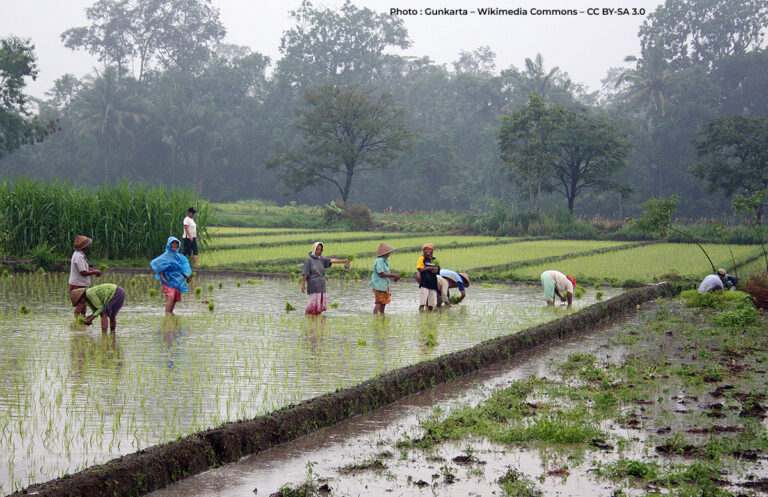
Families pass on farming techniques from one generation to the next. Furthermore, the planting and harvesting seasons still provide opportunities for neighbours to help one another. This solidarity enables the most demanding tasks to be completed quickly, whilst strengthening bonds within communities.
Furthermore, the agricultural calendar remains closely linked to various local traditions. Some ceremonies express gratitude to nature for the harvests reaped. Others simply mark the key stages of the rice cycle. Although practices evolve over time, they bear witness to the close link between agriculture, culture and regional identity.
The tradition of pottery in the villages of the Magelang Regency
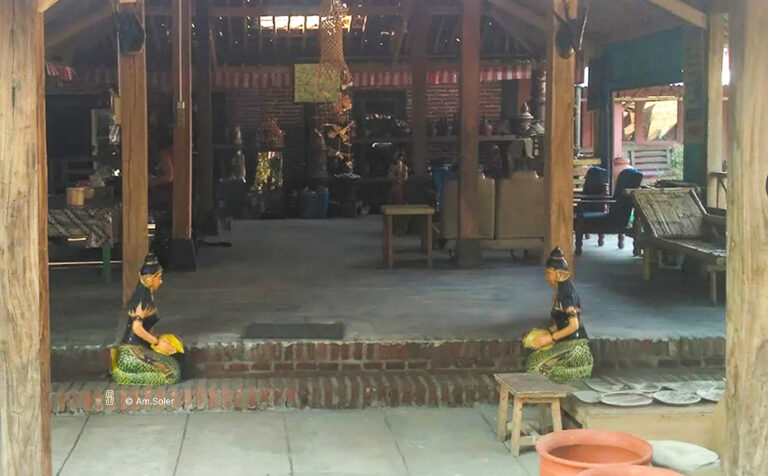
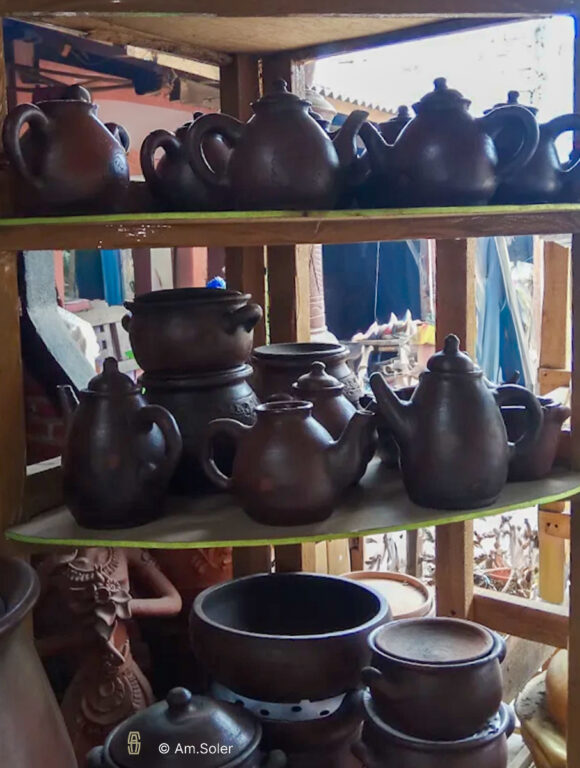
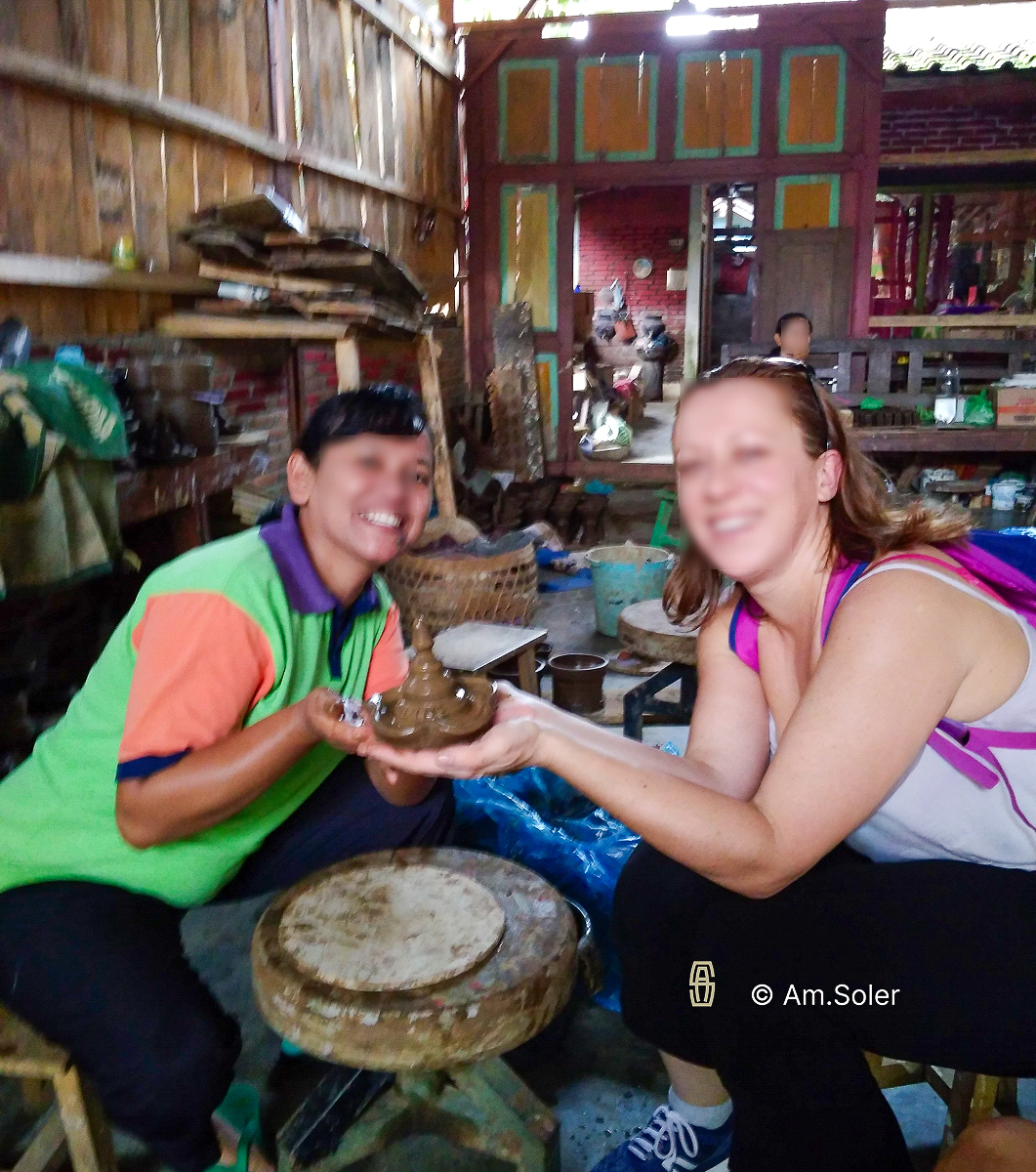
Pottery is one of the traditional crafts that have long contributed to the cultural identity of Magelang Regency. Just a few kilometres from Borobudur Temple, the village of Klipoh is particularly well known for this craft, which has been passed down from generation to generation within many families. Today, several workshops keep this traditional craft alive by producing items intended for both domestic use and decoration.
According to local accounts, the origins of this tradition are often linked to the period when Borobudur Temple was built, between the 8th and 9th centuries. At that time, artisans are said to have made earthenware vessels for the workers and residents of neighbouring villages. However, whilst this story is partly based on oral tradition, historical research confirms that pottery has been practised for several centuries in this part of Central Java.
Unlike industrial production, the workshops in Klipoh continue to rely primarily on traditional, artisanal methods. Techniques are still passed down within families, helping to preserve a heritage that continues to provide a livelihood for part of the local population. This continuity explains why pottery remains one of the most iconic craft specialities of Magelang Regency today.
A local clay produced using traditional methods
Pottery is one of the traditional crafts that have long contributed to the cultural identity of Magelang Regency. Just a few kilometres from Borobudur Temple, the village of Klipoh is particularly well known for this craft, which has been passed down from generation to generation within many families. Today, several workshops keep this traditional craft alive by producing items intended for both domestic use and decoration.
According to local accounts, the origins of this tradition are often linked to the period when Borobudur Temple was built, between the 8th and 9th centuries. At that time, it is said that craftsmen made earthenware vessels for the workers and the inhabitants of neighbouring villages. However, whilst this story is partly based on oral tradition, historical research confirms that pottery has been practised for several centuries in this part of Central Java.
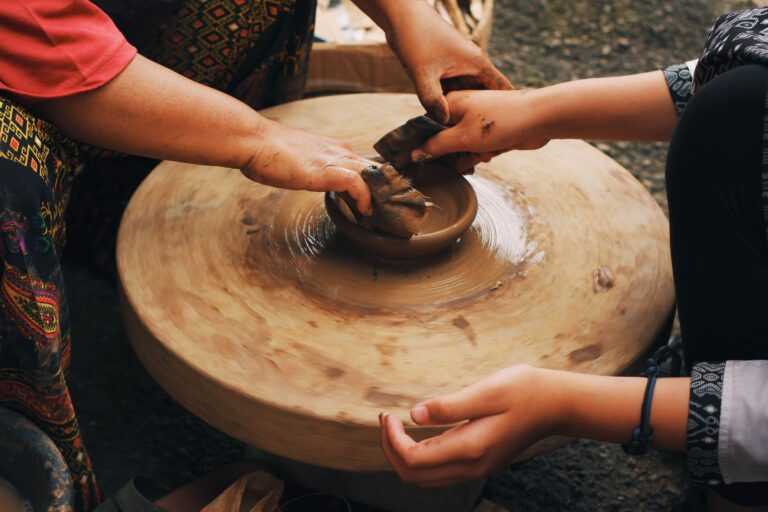
Unlike industrial production, the workshops in Klipoh still rely largely on traditional craftsmanship. Techniques are still passed down through families, helping to preserve a heritage that continues to provide a livelihood for part of the local population. This continuity explains why pottery remains one of the most iconic craft specialities of the Magelang Regency today.
Batik: an age-old craft from the Magelang Regency
A few kilometres from Borobudur Temple, the village of Wanurejo helps to preserve the batik tradition in Magelang Regency. Several family-run workshops there carry on this traditional textile art, which is based on a wax-resist dyeing technique, whilst introducing visitors to the various stages of its production. The fabrics produced are distinguished by the richness of their patterns, often inspired by nature, Javanese beliefs and traditions. Today, batik remains a living craft that plays a vital role in promoting the local cultural heritage.
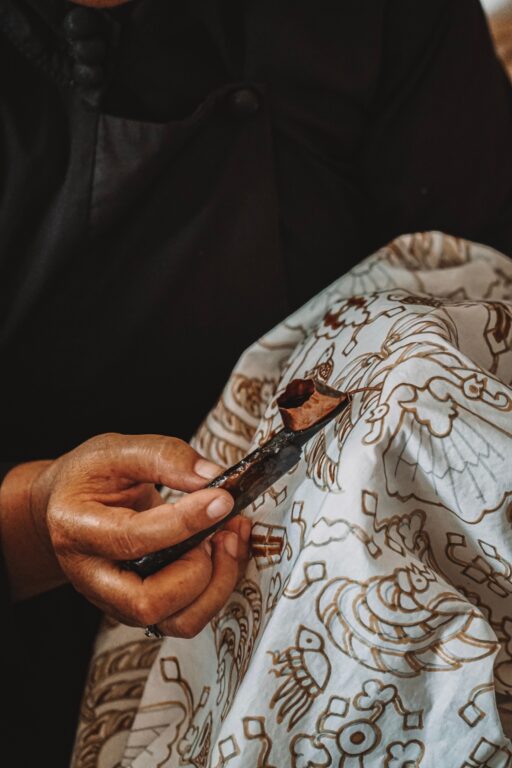
Unlike a simple printed fabric, traditional batik is produced using a wax-resist dyeing technique that involves numerous stages of production. Each pattern is drawn with precision before being protected by a thin layer of hot wax, which preserves certain parts of the fabric during the various dyeing processes.
Furthermore, this craft extends far beyond its decorative aspect. For centuries, batik patterns have accompanied the major milestones of Javanese life, whether family ceremonies, weddings or religious events. Thus, each creation reflects a cultural heritage that continues to play a significant role in Java’s identity.

A technique that requires patience and precision
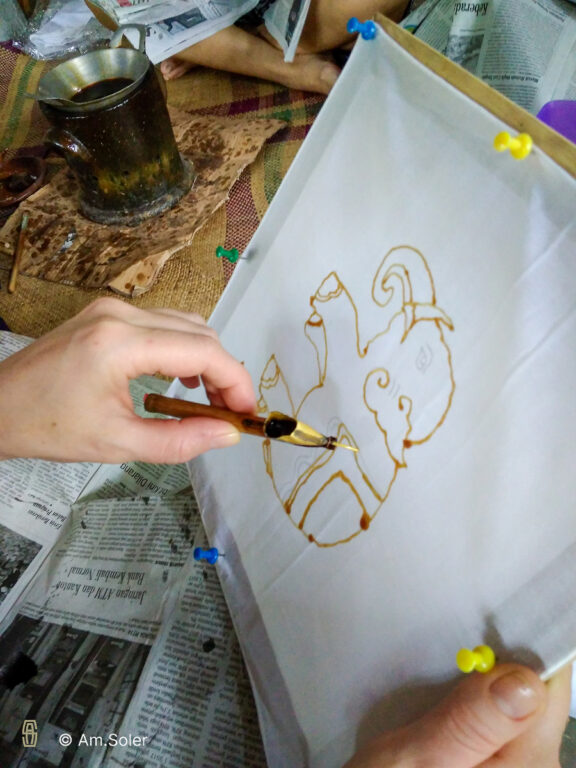
The production of traditional batik involves a meticulous process that requires a high level of technical skill. First, the artisan sketches the designs onto a piece of cotton or silk fabric. They then apply hot wax using a canting, a small tool fitted with a copper reservoir that allows particularly fine lines to be drawn.
The fabric is then immersed in an initial dye bath. Once dry, further layers of wax are applied to protect certain areas before each change of colour. This sequence of steps results in complex designs where every shade is the product of meticulous craftsmanship.
Once the various dyeing stages are complete, the wax is removed in hot water, gradually revealing the final patterns. The most elaborate pieces can sometimes take several weeks to complete, which explains the high value placed on batik made entirely by hand.
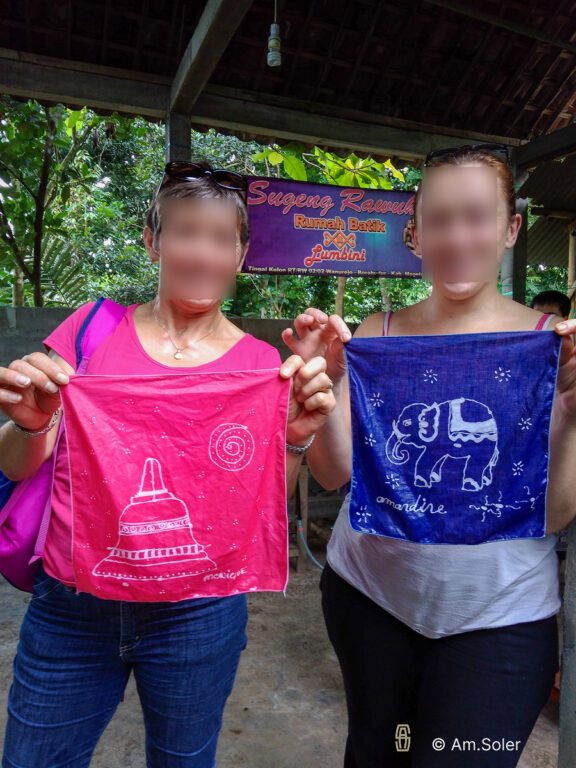
Today, several workshops in Wanurejo open their doors to visitors, who can observe the various stages of production, chat with the artisans and, in some workshops, try their hand at traditional batik techniques. Guided throughout the experience, they learn how to use the canting, apply the wax and carry out the different stages of dyeing. Going beyond a simple demonstration, this immersive experience offers a deeper understanding of a craft that has been inscribed on UNESCO’s Representative List of the Intangible Cultural Heritage of Humanity since 2009, and allows visitors to appreciate the precision required to create traditional batik.
A rural heritage that shapes Magelang’s identity
The landscapes of Magelang reflect a balance between nature and human activity. As such, the rice fields, villages, craft workshops and volcanic landforms form a cohesive whole that characterises this part of Central Java.
Agriculture remains the main economic driver for many rural communities. At the same time, activities such as pottery and batik help to preserve traditional skills whilst providing additional income for families.
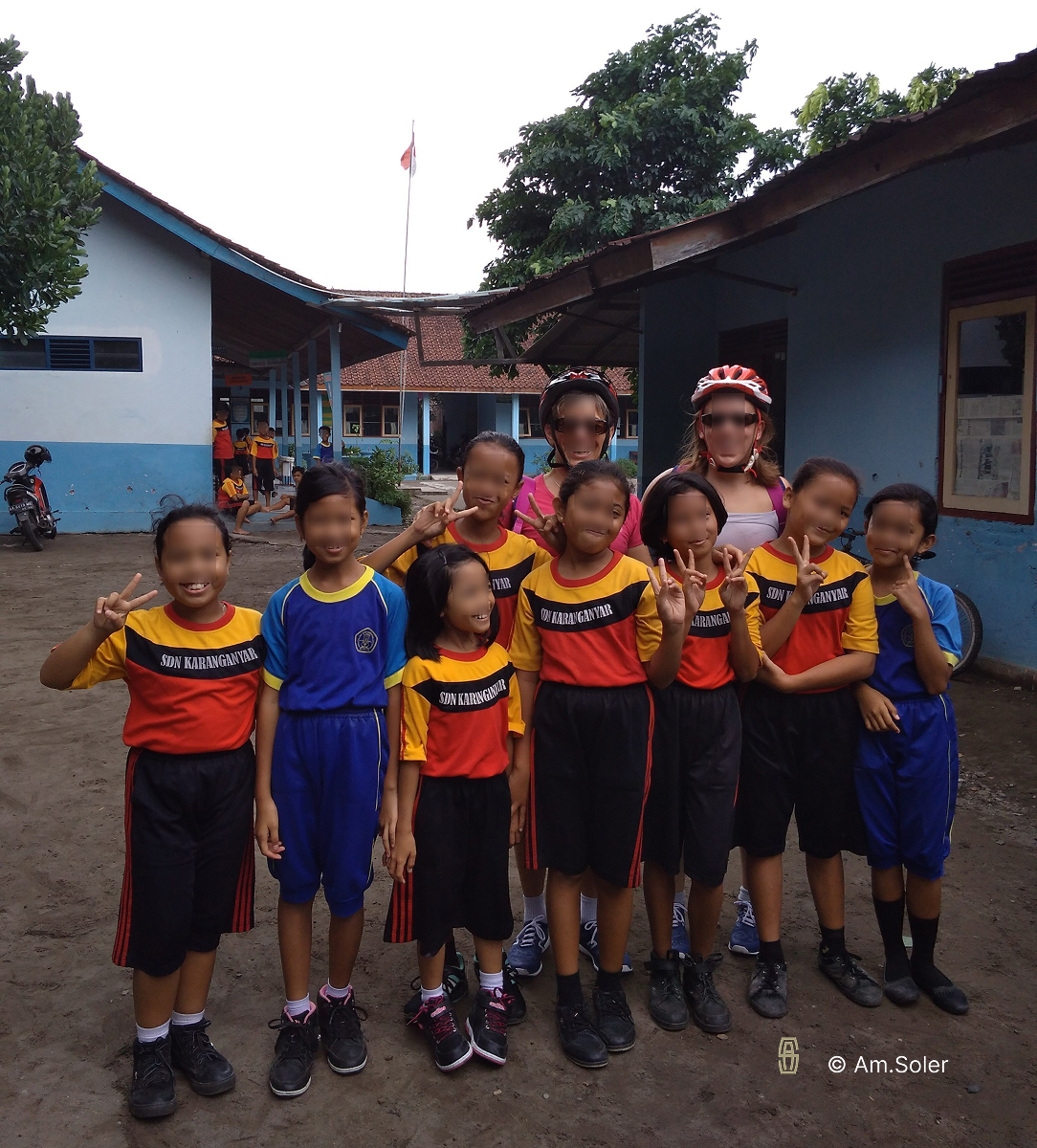
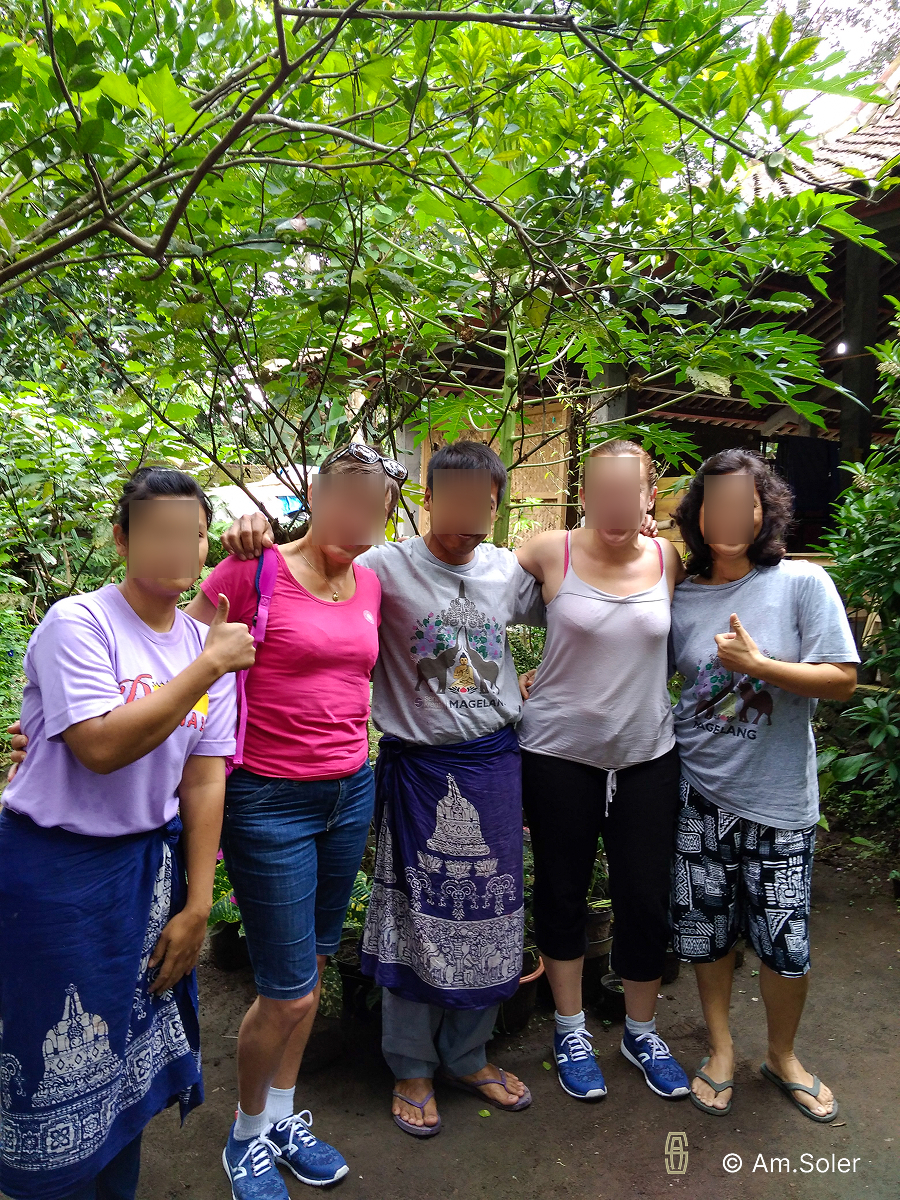
In this spirit, cycle routes are one of the best ways to discover this diversity. As you ride along the small roads linking the villages, the landscape unfolds before you, taking in rice paddies, farmland and craft workshops. But beyond the sights you pass through, this immersive experience is also an opportunity to meet the people who bring these countryside areas to life. Spontaneous exchanges with locals, smiles shared as you round a bend, or glimpses of everyday life in the villages lend a profoundly human dimension to this exploration. Thus, the route allows you to observe how traditions continue to be woven into the daily lives of the inhabitants, rather than being merely part of historical heritage.
Finally, this interdependence explains the cultural significance of the Magelang Regency. Each village retains its own distinct identity, whilst sharing in a common heritage shaped by the volcanic landscape, agricultural practices and traditional crafts.
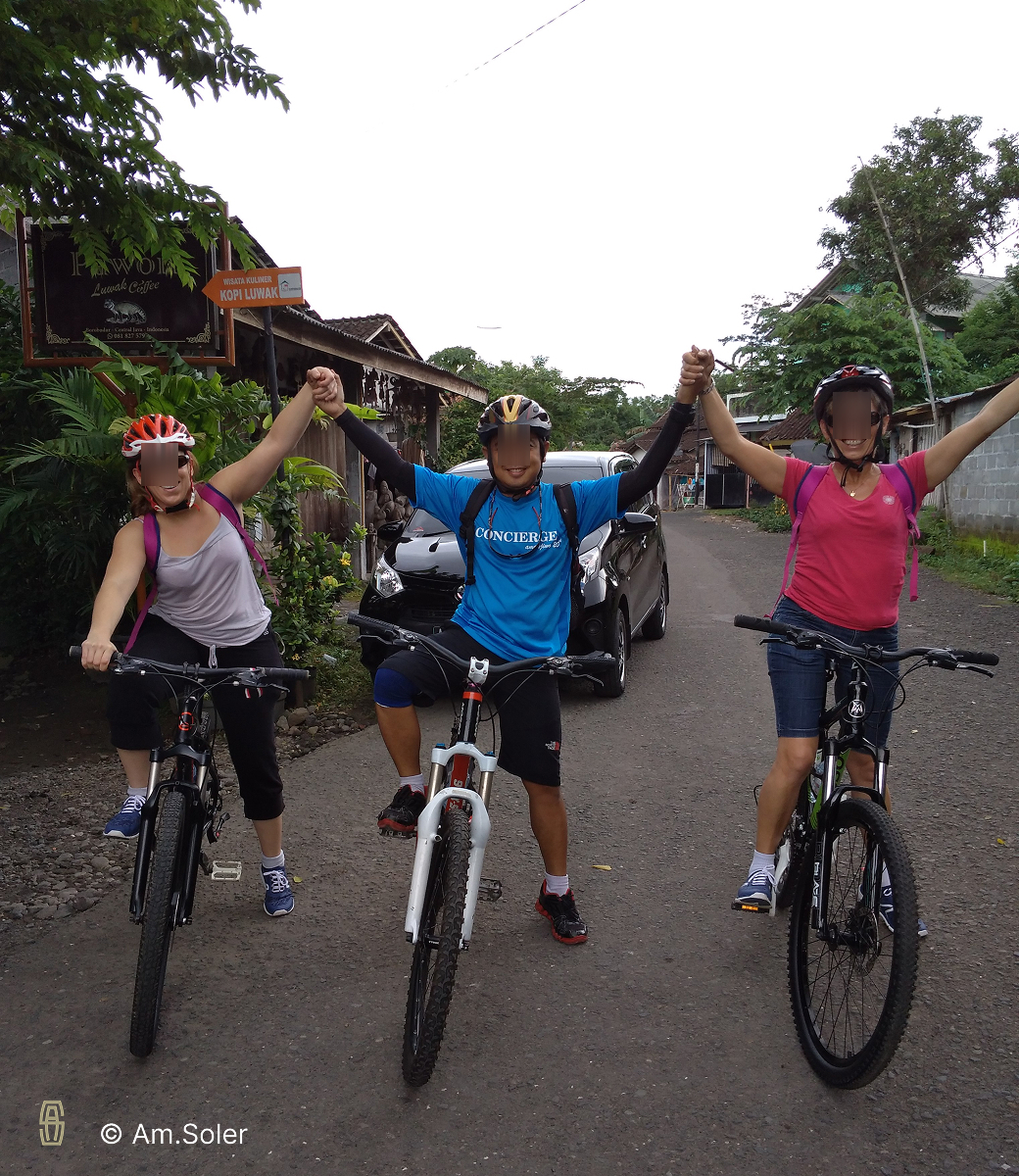
Situated in the heart of the Kedu Plain, the regency of Magelang offers a remarkable testament to the cultural and agricultural richness of Central Java. Indeed, the fertile volcanic soils have shaped the landscape for centuries and fostered a thriving agricultural sector, whilst the villages continue to practise traditional skills that help preserve the local heritage.
From the traditional pottery of Klipoh to the batik of Wanurejo, via the rice fields, plantations and encounters with craftspeople, each discovery offers a deeper understanding of the close ties that bind the region, its inhabitants and their traditions. These experiences provide a unique insight into a living heritage, where traditional craft practices continue to be passed down whilst welcoming visitors.
In conclusion, these various aspects provide a deeper understanding of how, through its landscapes, villages and traditional crafts, the Magelang Regency reveals an identity shaped by history, culture and human endeavour, making this region a particularly enriching destination for discovering the traditions of Central Java.
FAQ
Where is Magelang Regency in Indonesia?
Magelang Regency is situated in Central Java province, approximately 40 kilometres north-west of Yogyakarta. Administratively, it surrounds the city of Magelang and lies at the heart of the Kedu Plain.
Why are the rice fields in Magelang so fertile?
The agricultural land benefits from ash deposits from neighbouring volcanoes, notably Mount Merapi, Mount Merbabu, Mount Sumbing and Mount Sindoro. These volcanic deposits naturally enrich the soil with minerals, thereby promoting particularly productive agriculture, especially rice cultivation.
What is the village of Klipoh?
Klipoh, also spelled Nglipoh, is a village in Magelang Regency renowned for its pottery tradition. Local artisans still produce terracotta objects there today using methods passed down from generation to generation.
What can you discover in the pottery workshops of Klipoh?
The workshops in Klipoh allow visitors to observe the various stages of traditional pottery-making, from preparing the clay to firing the pieces. Some artisans also offer introductory sessions in pottery-making, giving visitors the chance to discover this ancient craft.
What is the village of Wanurejo?
Situated near the Borobudur Temple, Wanurejo is known for its workshops specialising in traditional batik. Visitors can discover the various stages of production, watch demonstrations and, in some workshops, try their hand at this wax-resist dyeing technique.
Why is batik important in Javanese culture?
Batik plays an important role in Java’s cultural heritage. Its patterns, which often carry symbolic meaning, feature in many ceremonies and traditions. Recognised for its cultural value, Indonesian batik has been inscribed on UNESCO’s Representative List of the Intangible Cultural Heritage of Humanity since 2009.
The villages of Magelang reveal another side to Java, far from the most popular tourist spots. With their rice fields, crafts and traditions, they are the perfect complement to any exploration of the island’s cultural heritage. To make the most of your trip, why not also explore Java’s temples, which bear witness to centuries of history and spirituality.
Magelang is about more than just its rural landscapes and traditional crafts. This region of Central Java also boasts a rich historical and cultural heritage that is well worth exploring from various perspectives. To round off your reading, take a look at this overview of the Magelang region, which highlights other aspects of its identity and history.
(External link to reference website)