

Marine exploration in Indonesia: ecosystems and biodiversity
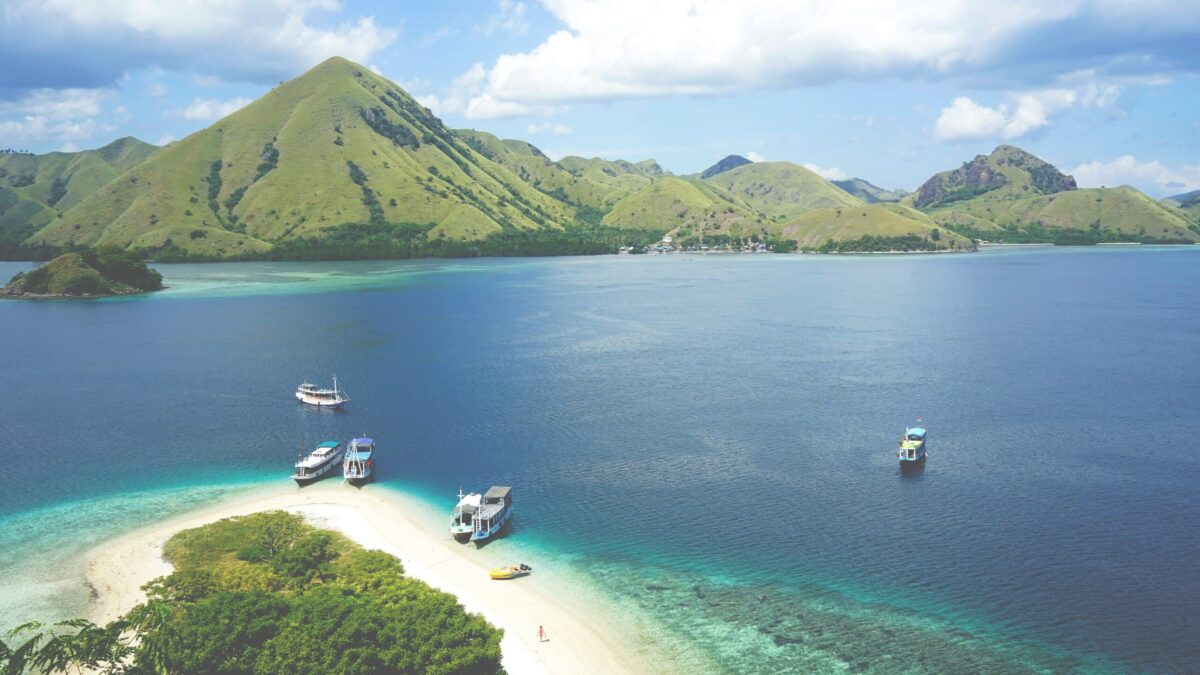
Indonesia forms the largest archipelago in the world, with thousands of islands scattered between the Indian and Pacific Oceans. This geographical configuration creates a natural continuity between terrestrial landscapes and marine environments. Thus, volcanic reliefs, ocean currents, and coastal zones constantly interact to shape ecosystems of exceptional richness.
In this context, marine exploration is not limited to a tourist activity. It mainly helps to understand the ecological mechanisms that connect emerged lands to ocean depths. Around certain emblematic regions, such as the Komodo archipelago, these interactions become particularly visible. The seabeds extend the terrestrial landscapes and contribute to the overall balance of ecosystems.
Indonesia, a crossroads of marine biodiversity
The Indonesian archipelago lies at the heart of an oceanic convergence zone often referred to as the “Coral Triangle.” This region concentrates exceptional marine biodiversity because it connects several bodies of water with different characteristics. Currents transport nutrients, larvae, and migratory species, which encourages a wide diversity of habitats and organisms.
Along the archipelago, multiple marine environments coexist. There are deep coral reefs, shallow coastal areas, and deeper zones. This mosaic of ecosystems allows numerous species to live in very restricted areas.
Thus, Indonesian waters play a key role in the ecological balance of the Indo-Pacific region. They serve both as a refuge, a breeding area, and a biological corridor for many marine species.
Coral reefs, foundations of underwater life
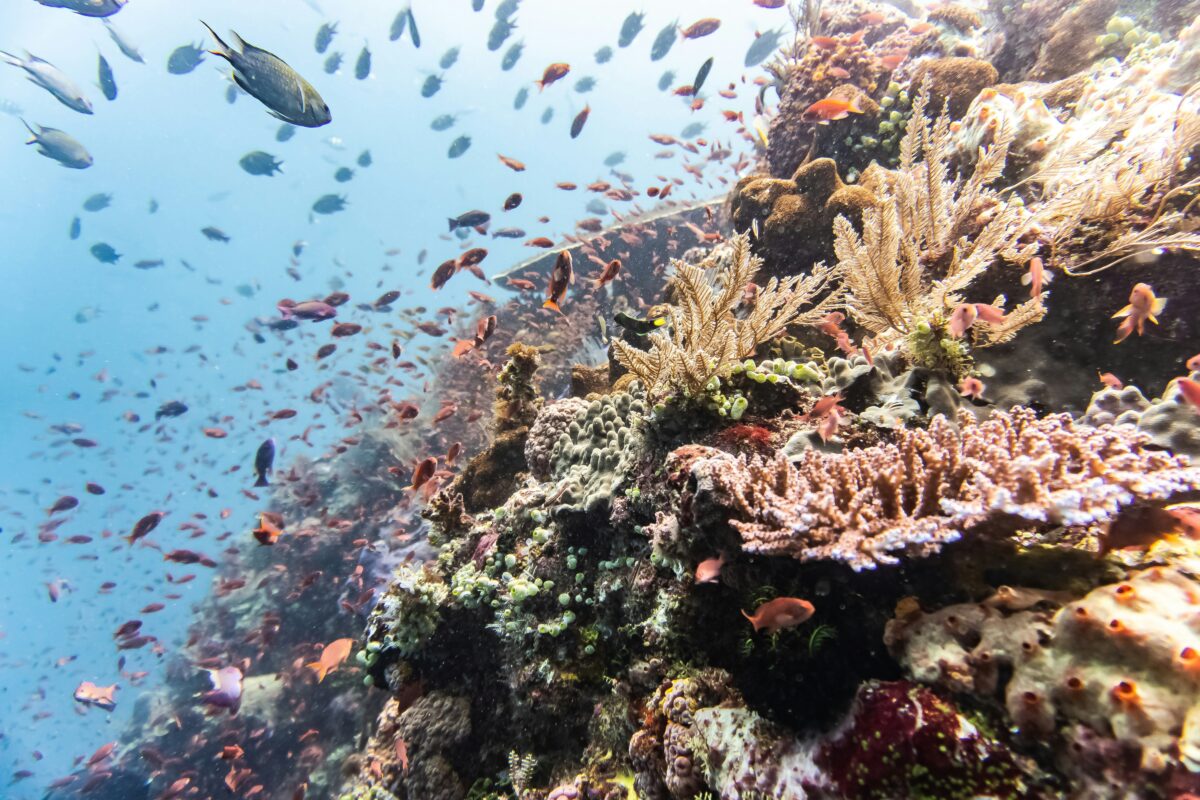
Coral reefs are among the most emblematic elements of Indonesian marine landscapes. They form true living structures, built over time by colonies of corals. These calcareous formations create a complex underwater relief, which becomes a habitat for a wide variety of species.
Thanks to their structure, reefs offer shelters, breeding areas, and sources of food for many organisms. One finds there small invertebrates as well as reef fish, mollusks, and crustaceans. Each corner of the reef plays a specific role in this biological balance.
Moreover, the colors and shapes of corals reflect the diversity of species present. Reefs are not limited to a visual spectacle; they play an essential ecological role. They protect coastlines, support food chains, and contribute to the stability of marine ecosystems.
Remarkable marine life around Komodo
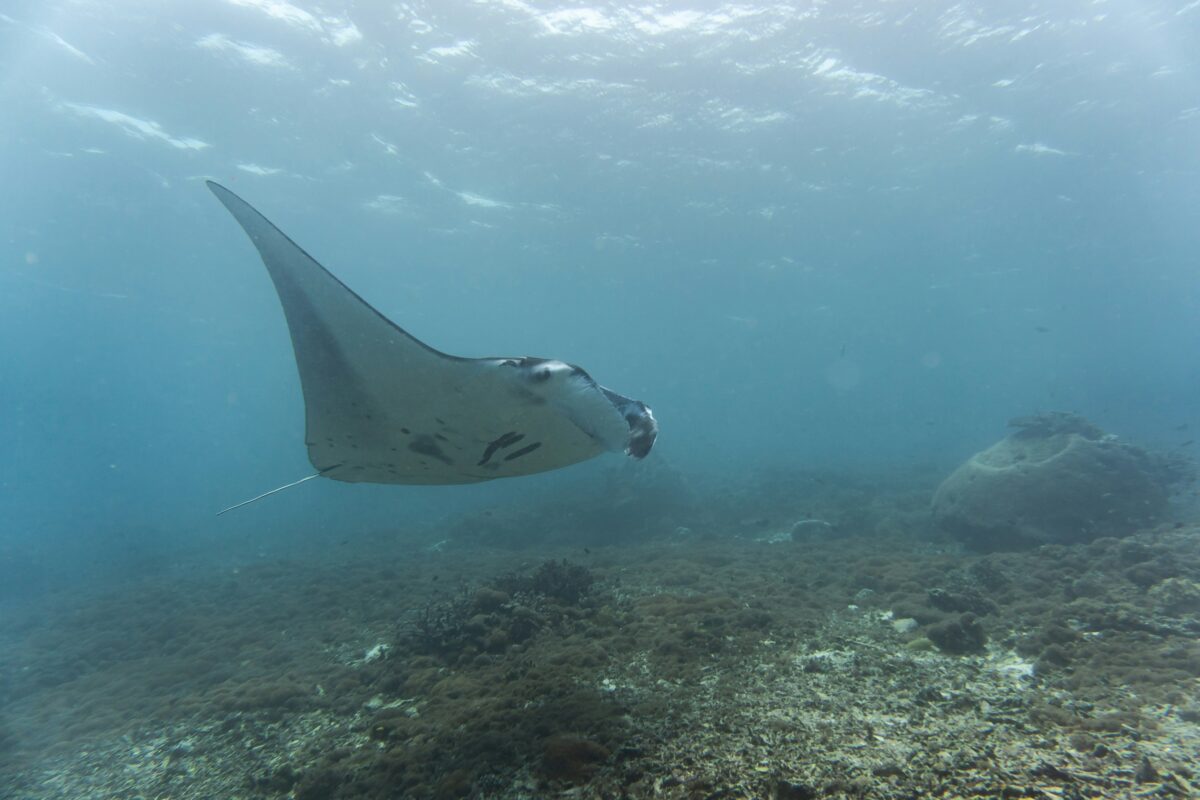
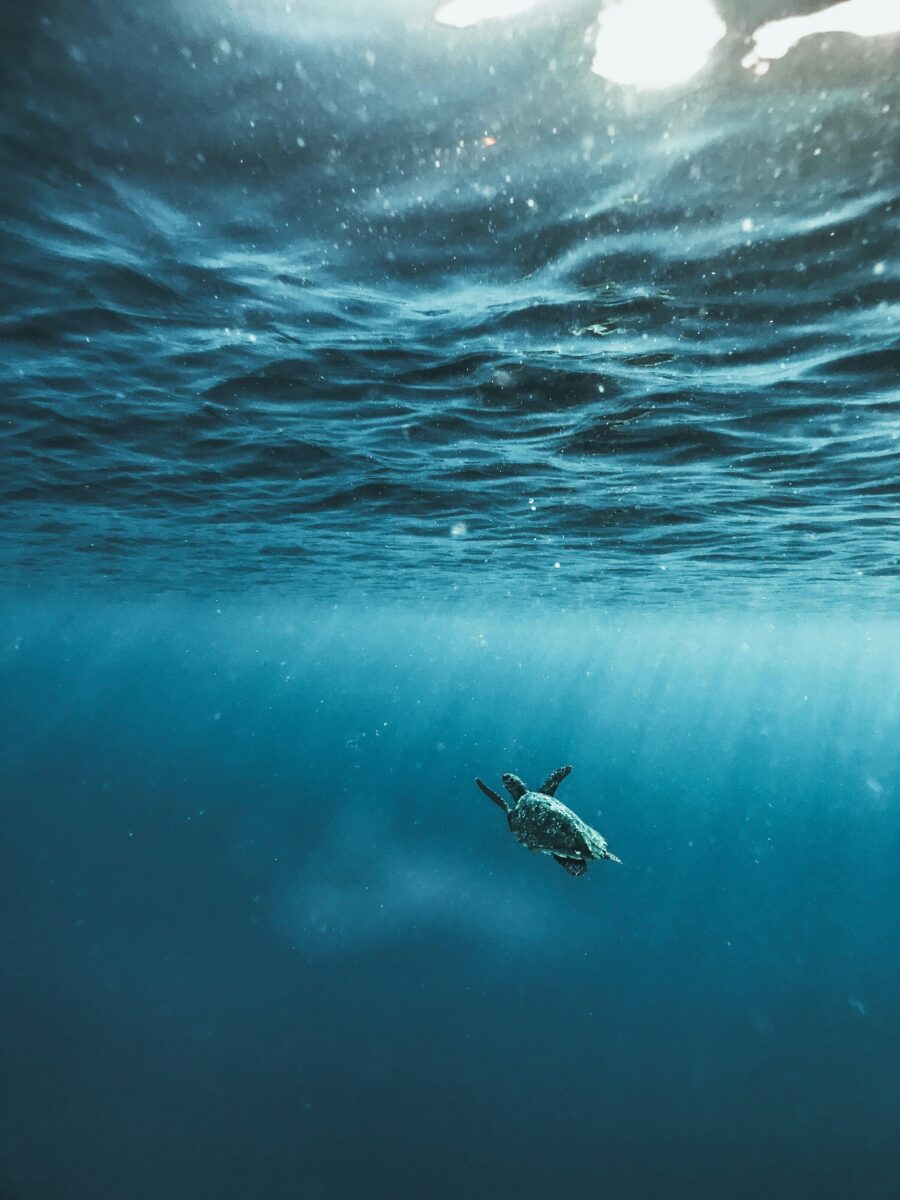
Around the islands of Komodo and Rinca, marine environments present a great diversity of species. The currents that cross this area bring nutrients and create favorable conditions for underwater life. As a result, the seabeds shelter varied communities of organisms, from reef fish to large pelagic animals.
One can notably observe a great variety of colorful fish, as well as larger species that frequent deeper waters. The underwater reliefs, rocky outcrops, and passages between the islands create specific habitats where biodiversity thrives.
These marine environments directly extend the terrestrial landscapes of the surrounding islands. The same geological and oceanic dynamics influence both the formation of emerged reliefs and that of the seabeds. Thus, the biological richness of the waters around Komodo complements that of the terrestrial ecosystems described in the article devoted to the Komodo dragons.
Constant interactions between land and sea
Indonesian marine ecosystems do not function in isolation. On the contrary, they depend heavily on processes occurring on land. Nutrients and sediments transported by rivers directly influence underwater life. Coastal currents and tides carry these elements toward reefs and deeper zones.
Conversely, the sea plays an essential role in shaping terrestrial landscapes. Waves, tides, and currents shape coastlines and contribute to the evolution of reliefs. This permanent interaction creates an interdependent ecological system, in which each environment influences the other.
Around Komodo, this relationship appears particularly clear. Marine currents circulate between the islands and generate varied ecological gradients. These conditions favor the presence of multiple habitats and strengthen biological diversity.
Preservation of marine ecosystems
Despite their richness, Indonesian marine environments remain fragile. Human activities, climate change, and certain exploitation practices exert growing pressure on these ecosystems. Coral reefs, for example, react strongly to temperature variations and water quality.
In this context, preserving marine biodiversity becomes a major challenge. Protected areas, marine parks, and conservation initiatives aim to protect habitats. However, these measures require a deeper understanding of the ecological dynamics at work.
Protecting marine ecosystems does not only concern underwater life. It also contributes to the stability of coastal landscapes, food security, and the balance of human communities that depend on these environments.
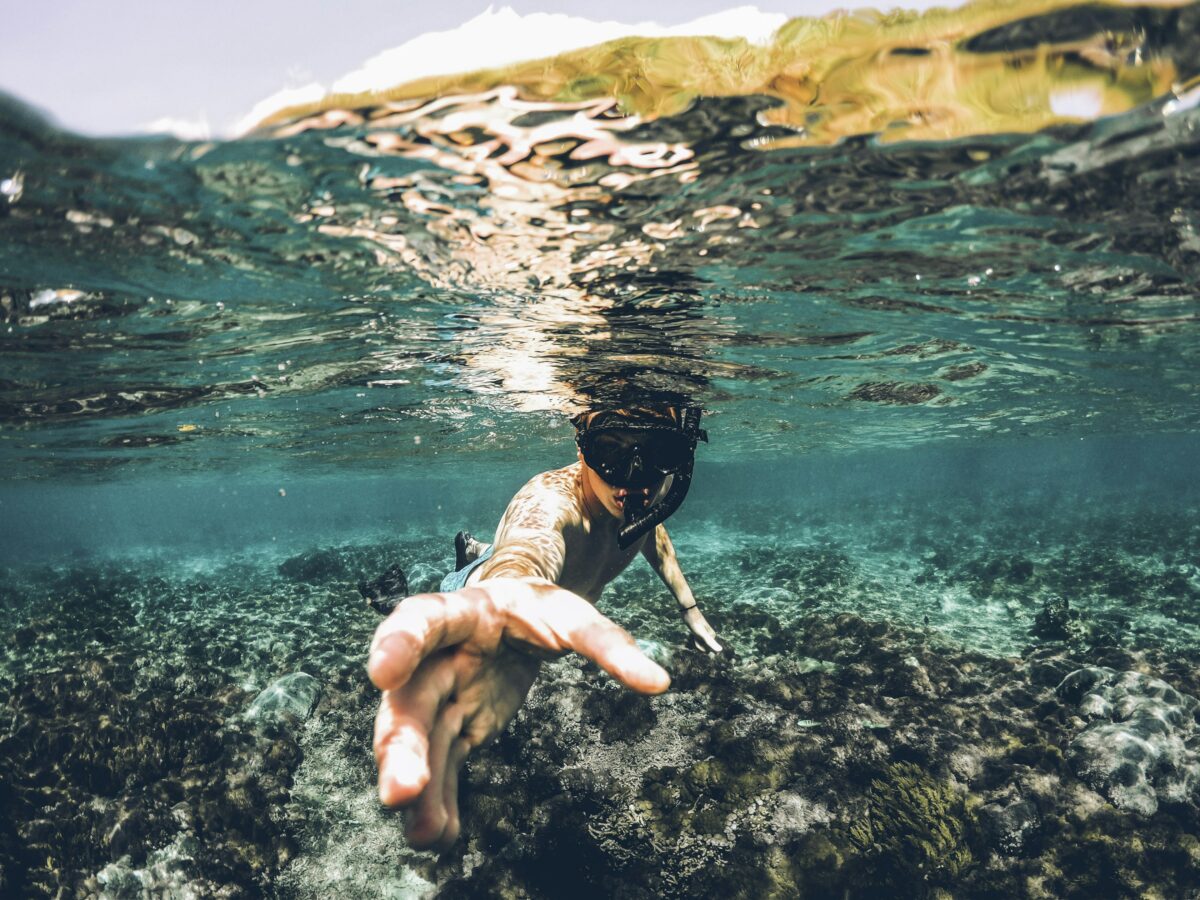
Ecological continuity between terrestrial and marine worlds
Indonesia’s marine landscapes cannot be understood without considering terrestrial environments. Volcanic islands, rugged reliefs, and coastal zones shape currents and underwater habitats. As a result, marine biodiversity is part of an ecological continuity that encompasses the entire territory.
This close relationship between land and sea appears clearly around the Komodo archipelago. Marine ecosystems extend terrestrial landscapes and contribute to the natural richness of the region. Together, they form a coherent whole, where each environment contributes to the overall balance.
To better understand this terrestrial dimension of Indonesian nature, the article devoted to the Komodo dragons explores one of the most emblematic symbols of this biodiversity.
Understanding Indonesia through its marine landscapes
Marine exploration offers an essential perspective for understanding Indonesian nature as a whole. It reveals the close links between geography, biodiversity, and local traditions. By observing reefs, currents, and underwater habitats, one discovers a complex ecological system shaped by constant interactions between land and sea.
Thus, marine landscapes do not form a separate world. They are part of a continuity with terrestrial environments and fully contribute to the natural identity of the archipelago. This global perspective helps to better understand Indonesia’s ecological richness and the challenges related to its preservation.
These seabeds are part of the continuity of the terrestrial landscapes discussed in this section →Between land and sea
Komodo’s terrestrial fauna completes this natural richness → The Komodo dragon