

Indonesia Blog, between landscapes and traditions
Indonesia stretches across thousands of islands scattered between Southeast Asia and Oceania. This immense archipelago, shaped by volcanoes and surrounded by tropical seas, offers a rarely matched diversity of landscapes. From mountains covered with humid forests to coral coastlines, each region presents unique natural forms. Yet these landscapes are not only a backdrop. They influence ways of life, beliefs, and local traditions.
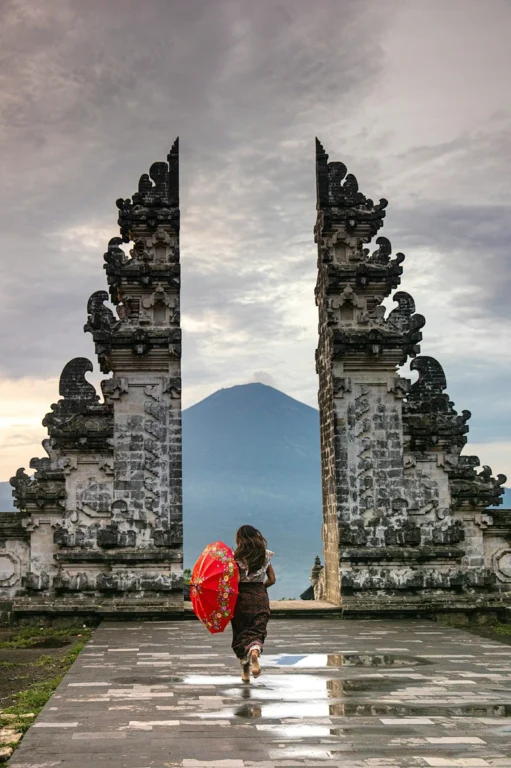
This Indonesia blog about landscapes and traditions offers a cultural reading of these territories. It is not a personal travel diary, but a descriptive and structured exploration of places. Each page connects geography, history, and cultural practices in order to better understand the identity of Indonesian landscapes.
Thus, volcanoes, temples, forests, and reefs are never presented as simple attractions. Instead, they appear as elements of a complex system, where nature and traditions respond to each other. This approach makes it possible to observe Indonesia in its cultural depth, beyond tourist images.
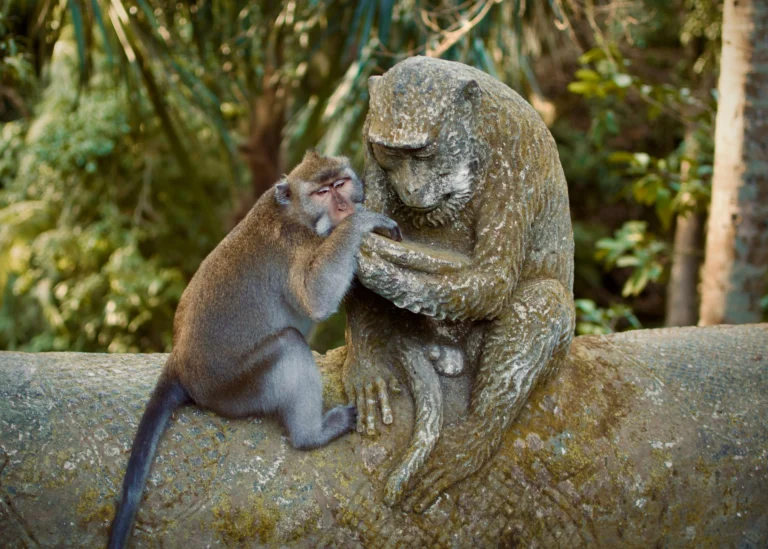
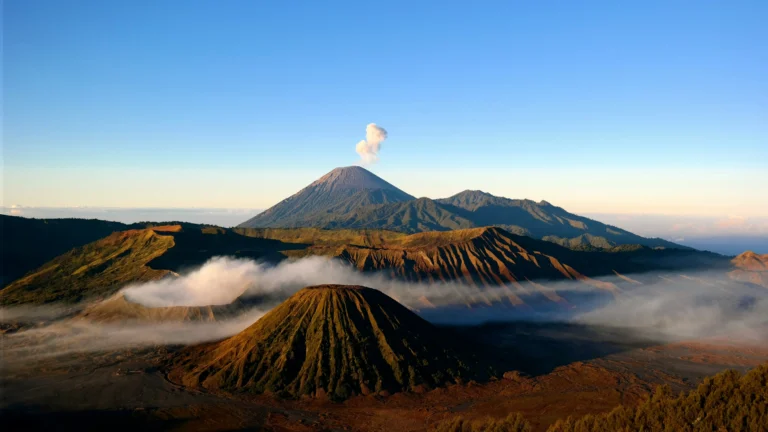
The fire and oceans
An archipelago shaped by fire and oceans
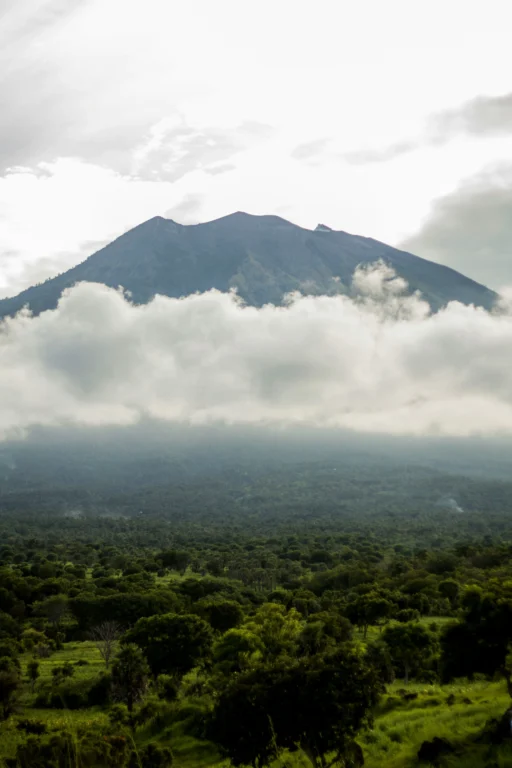
Indonesia lies on the Pacific Ring of Fire, an area marked by intense tectonic activity. Volcanoes therefore dominate much of the landscape. Some rise above rice fields, while others form craters, plateaus, or spectacular calderas. These landforms reflect a geological history in constant motion.
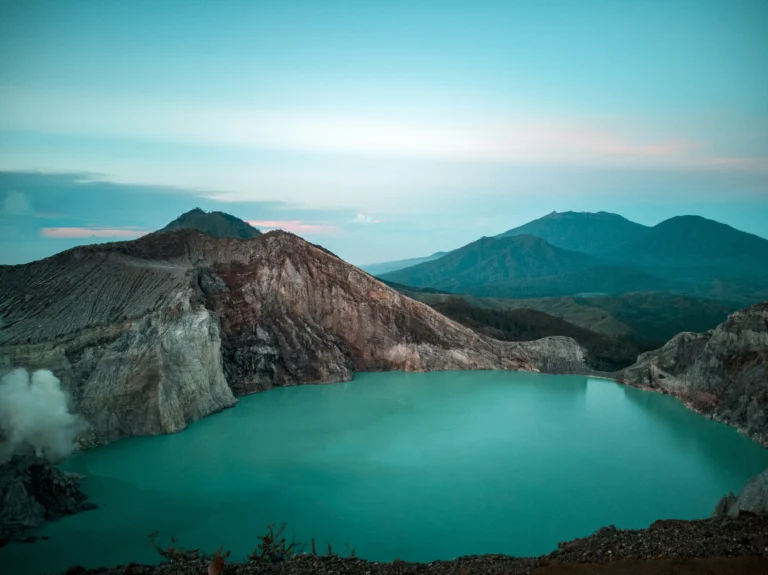
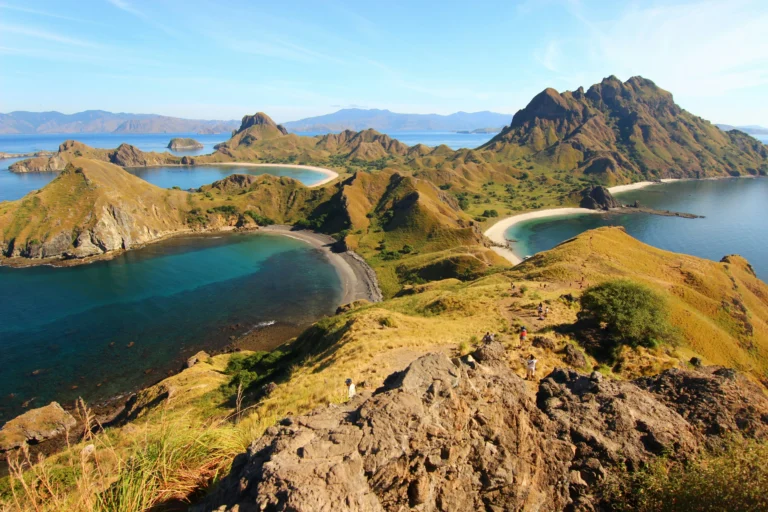
However, this volcanic activity is not limited to a scientific dimension. It also influences human societies. Volcanic soils, particularly fertile, support agriculture. Mountains often become symbolic places, associated with the sacred or with mythological stories. In this way, volcanic landscapes help shape strong cultural identities.
Moreover, the archipelago is surrounded by waters rich in biodiversity. Ocean currents, coral reefs, and straits create varied ecosystems. The sea does not isolate the islands; on the contrary, it connects them. Cultural and commercial exchanges long followed these maritime routes, contributing to the diversity of Indonesian traditions.
Nature and spirituality
Landscapes where nature and spirituality meet
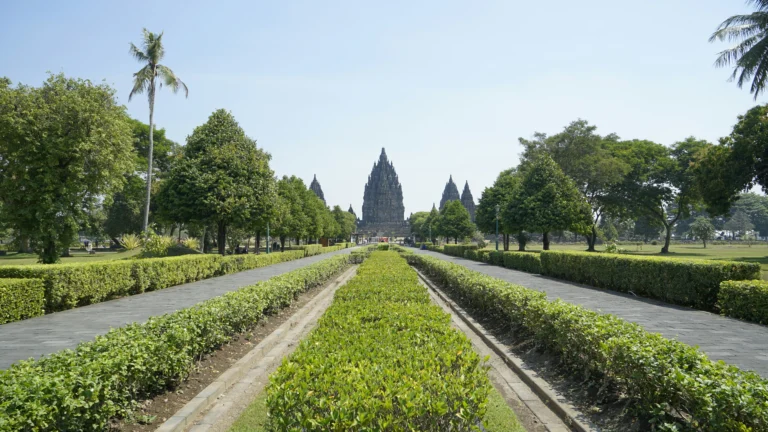
In Indonesia, many natural places have a spiritual dimension. Mountains, forests, springs, and coastlines are often integrated into religious and cultural practices. This relationship between nature and the sacred can be seen in the placement of temples, in collective rituals, and in local traditions.
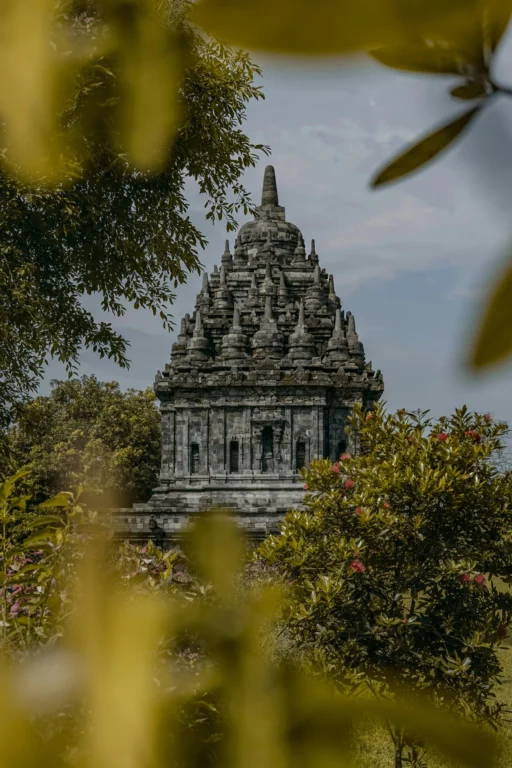
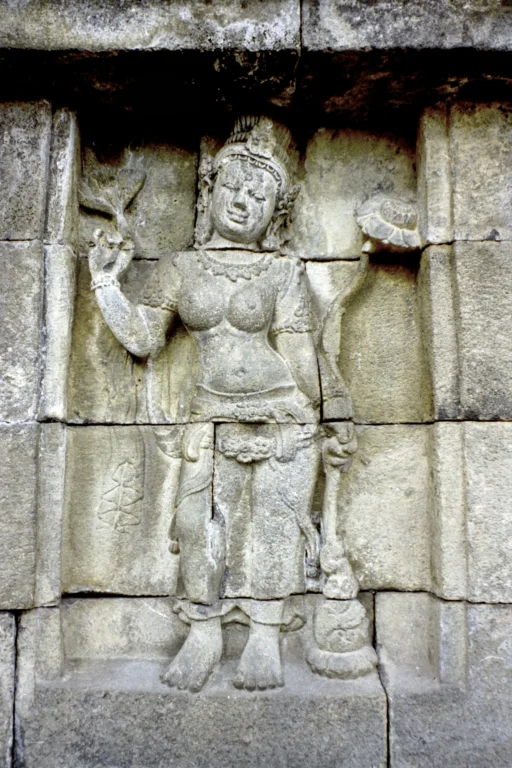
Sanctuaries are not established at random. Their location often reflects symbolism linked to natural elements. A spring may become a place of purification, a mountain a sacred space, or a forest a territory protected by ancient beliefs. In this way, the landscape becomes a cultural support, filled with meaning.
This close relationship between nature and spirituality is one of the guiding themes of the blog. It helps explain why certain sites occupy a central place in local traditions. It also shows why Indonesian landscapes cannot be separated from their cultural dimension.
Regional diversity
Regional diversity shaped by local identities
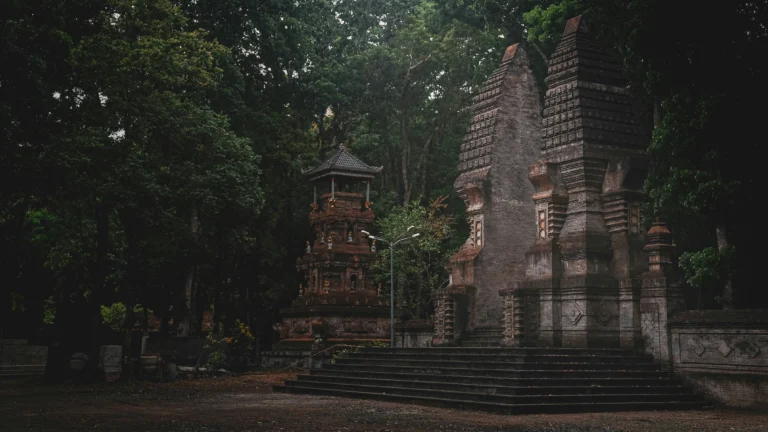
Indonesia is not a homogeneous whole. Each island, each region, and sometimes each valley has its own traditions, beliefs, and characteristic landscapes. This diversity is explained by the geography of the archipelago, but also by its history, marked by maritime exchanges and multiple cultural influences.
Some regions are distinguished by active volcanoes, while others are characterized by tropical forests or coastlines. Architectural forms, religious practices, and agricultural systems also vary from one territory to another. Natural landscapes and human constructions intertwine to form strong local identities.

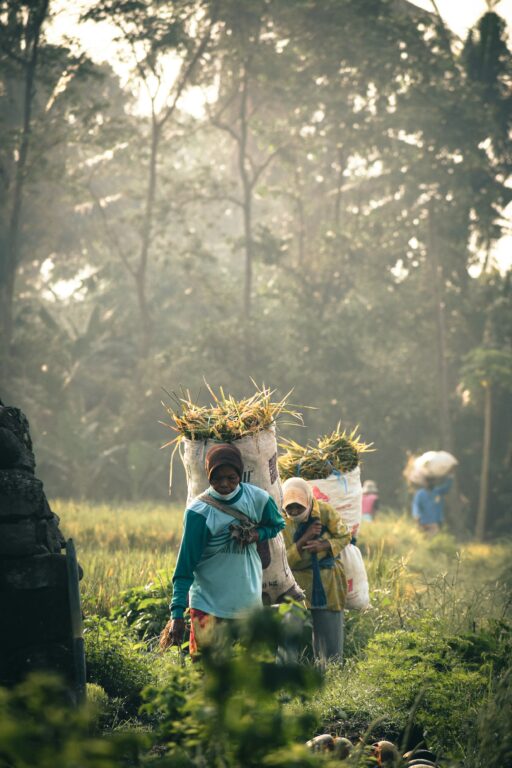
This diversity is one of the archipelago’s greatest strengths. It encourages each place to be considered within its context, rather than reducing Indonesia to a single, uniform image. The blog adopts this approach by presenting specific sites and placing them within their cultural and geographical environment.
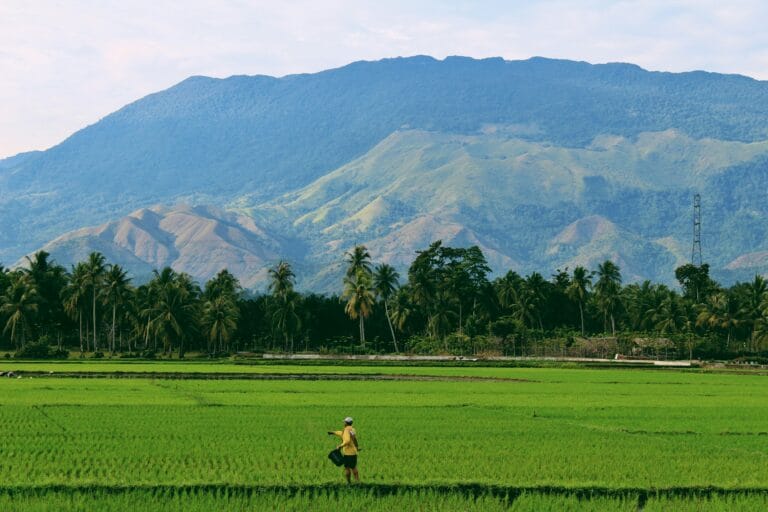
Indonesia is home to some of the richest ecosystems on the planet. Its humid tropical forests, national parks, and nature reserves host remarkable biodiversity, including many endemic species.
These environments play an essential role in regional and global ecological balance. They are also at the heart of ancient cultural and spiritual practices, in which the forest is seen as a living, inhabited, and sacred space.

Three main sections of the site
Three axes to understand Indonesian landscapes
To structure this exploration, the blog is organized around three main axes. Each corresponds to a way of observing the landscapes and traditions of the archipelago.
Bali: landscapes and traditions
Bali represents one of the most emblematic territories of Indonesia. The island combines volcanic reliefs, terraced rice fields, temples, and traditional villages. These elements form a coherent whole, where nature and traditions influence each other.
Balinese landscapes are not limited to their visual aspect. They reflect a social and religious organization deeply rooted in the territory. Irrigation systems, temples, and natural spaces follow a logic of balance between humans, nature, and the spiritual world.
The section dedicated to Bali offers a cultural reading of these landscapes, linking emblematic sites with the traditions that surround them.
Lava and the sacred
In many regions of Indonesia, volcanoes dominate the horizon and structure the landscape. They shape the terrain, influence the soil, and inspire ancient beliefs. Volcanic landscapes reflect a constant relationship between geological activity and human traditions.
Around volcanoes, communities have developed agricultural practices, rituals, and forms of architecture adapted to this specific environment. Craters, lava plateaus, and sacred mountains thus become central elements in local cultures.
The Lava and the sacred section explores these volcanic landscapes and shows how they influence traditions and representations of the sacred.
Between land and sea: Indonesia’s wild nature
The Indonesian archipelago is characterized by a constant interaction between terrestrial and marine environments. Volcanic islands rise from waters rich in biodiversity, while ocean currents connect ecosystems to one another. This complementarity creates contrasting landscapes, where land and sea form an inseparable whole.
Tropical forests, coral reefs, and coastal zones contribute to the country’s ecological richness. These environments host remarkable flora and fauna, often linked to local traditions and ancient cultural practices.
The Between land and sea section explores these natural landscapes, highlighting the links between biodiversity, geography, and culture.
Blog approach
An informative and cultural approach to places
The Indonesia landscapes and traditions blog adopts a descriptive and analytical approach. Each page presents a place or theme while taking into account its geographical, historical, and cultural context. This approach goes beyond a simple tourist vision and helps understand landscapes in their complexity.
Rather than recounting a personal experience, the blog focuses on the analysis of sites and traditions. The content aims to explain the relationships between nature, culture, and territory. It highlights the elements that structure landscapes and local practices.
This editorial line is based on a simple idea: Indonesian landscapes cannot be understood without their traditions, and traditions only make sense within their natural environment.
Understanding Indonesia through its landscapes
Exploring Indonesia through its landscapes offers a different perspective on the archipelago. Volcanoes, forests, temples, and reefs become gateways to local culture. Each place tells a particular relationship between people and their environment.
This overall reading highlights both the continuities between regions and their differences. It shows how geography influences traditions, and how traditions, in turn, give meaning to landscapes.
The blog therefore offers a cultural journey across the archipelago, organized around emblematic sites and major natural themes. It invites readers to discover Indonesia not as a simple destination, but as a territory where nature and traditions are built together.
“This blog is dedicated to my friend Momo.”